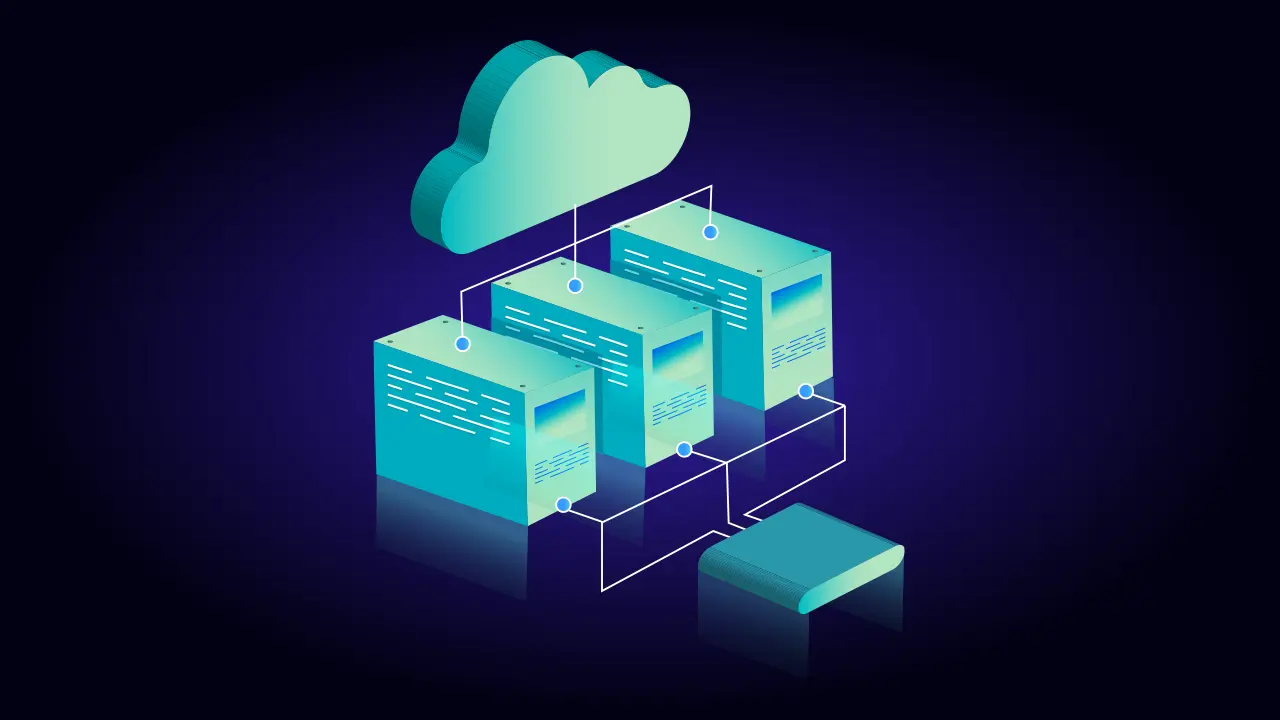





In today’s always-on digital economy, businesses need communication tools that can grow effortlessly alongside demand. A voice API cloud enables organizations to manage voice interactions at scale without investing heavily in physical infrastructure.
By relying on distributed cloud systems, companies can handle global call volumes, AI-driven conversations, and real-time voice processing with minimal latency.
As demand for voice-driven applications continues to rise, understanding what makes API solutions scalable—and which platforms lead the market—has become essential for long-term success.
Why scalability matters in a voice API cloud

Scalability is one of the defining benefits of cloud-based voice technology.
A modern voice API cloud is designed to adapt dynamically to changes in usage, whether that means handling sudden traffic spikes or supporting new geographic regions.
Key reasons scalability is critical include:
- Unpredictable call volumes during promotions or emergencies
- Expansion into international markets with diverse language needs
- Integration with AI-based speech services
- Always-on availability for customer-facing applications
Amazon Web Services explains the value of elastic scaling clearly:
“Cloud computing allows you to scale your resources up or down instantly, matching supply with demand.”
This flexibility allows it to deliver consistent performance even under heavy load.
Core components of a scalable voice API cloud
Not all platforms are built equally. The most reliable voice API cloud solutions share several foundational characteristics.
Elastic infrastructure and auto-scaling
Auto-scaling ensures voice workloads expand and contract in real time.
This prevents service degradation during peak usage and keeps costs optimized during low-demand periods.
Global infrastructure and low latency
Leading providers deploy data centers across continents, reducing latency for end users. Google Cloud highlights that:
“Proximity to users improves responsiveness and reliability.”
This is especially important in voice communication, where delays disrupt conversations.
High availability and redundancy
Enterprise-grade voice API cloud platforms rely on redundant systems, failover routing, and strong service-level agreements to maintain uptime.
The most scalable voice API cloud platforms today
Several providers consistently stand out for their ability to scale voice services reliably.
Twilio Voice
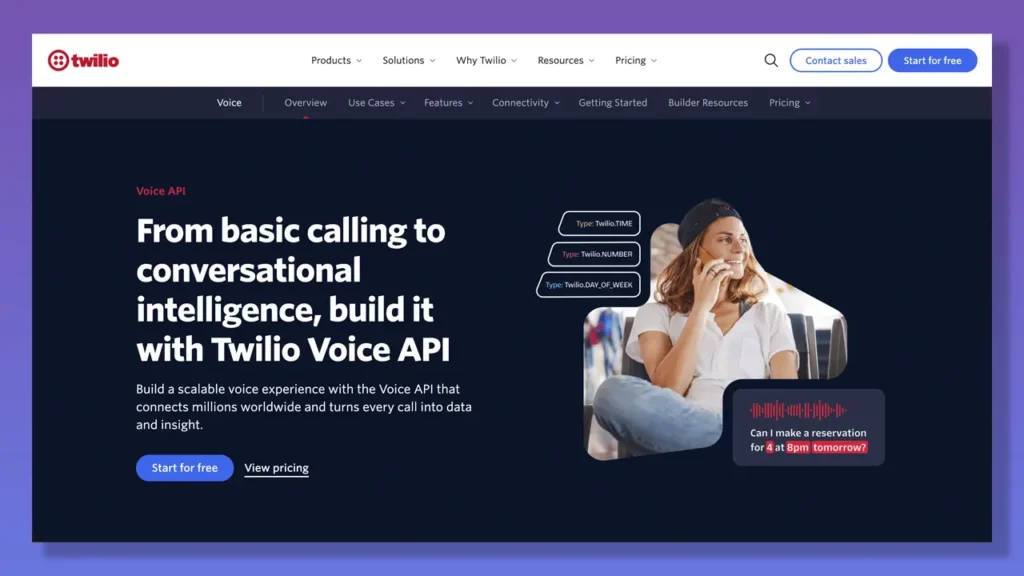
Twilio is widely regarded as a pioneer in programmable communications.
Its voice API cloud supports everything from simple call routing to complex global call flows.
Key strengths include:
- Massive concurrent call handling
- Global carrier connectivity
- Mature APIs and developer tooling
Amazon Connect and Amazon Polly
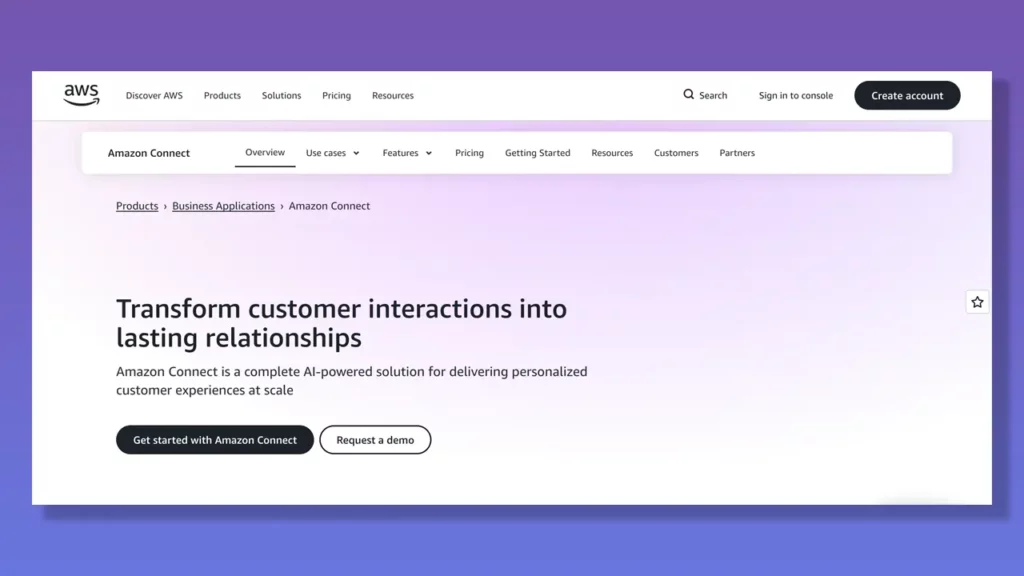
Powered by AWS, Amazon Connect benefits from the same elastic infrastructure used by some of the world’s largest digital platforms.
This makes it a strong voice API cloud choice for enterprises.
Advantages include:
- Automatic scaling with demand
- Deep integration with AWS services
- High security and compliance standards
Amazon Polly complements voice workflows by providing speech synthesis capabilities that scale globally.
Google Cloud Speech services
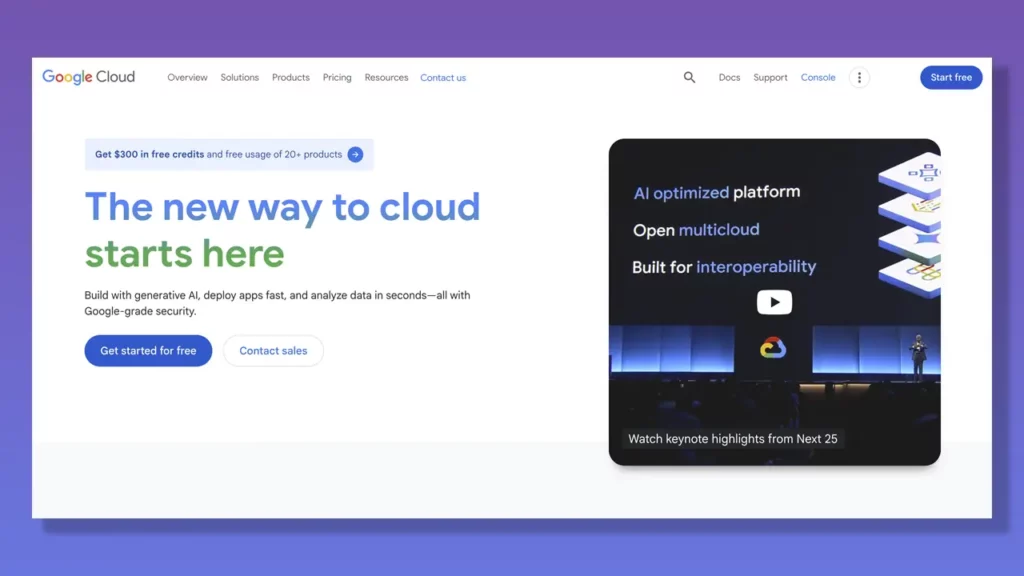
Google’s speech services are optimized for real-time, high-volume usage.
Its voice API cloud offerings leverage advanced machine learning models and a global network.
Notable features:
- Accurate speech processing
- Support for numerous languages
- Seamless global scaling
Google states:
“Our speech technologies are designed for large-scale, real-time applications.”
Vonage
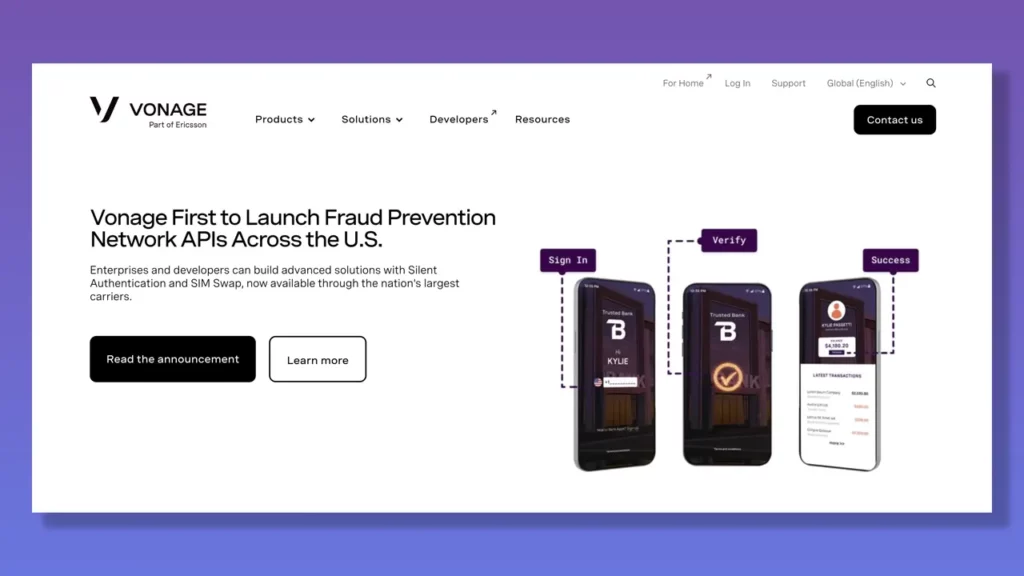
Vonage delivers a carrier-grade voice API cloud with strong international reach and reliability.
Why organizations choose Vonage:
- Direct-to-carrier connections
- Built-in redundancy
- Flexible deployment options
This makes it well-suited for applications that expect steady growth across regions.
How Typecast’s API fits into a scalable voice API cloud strategy
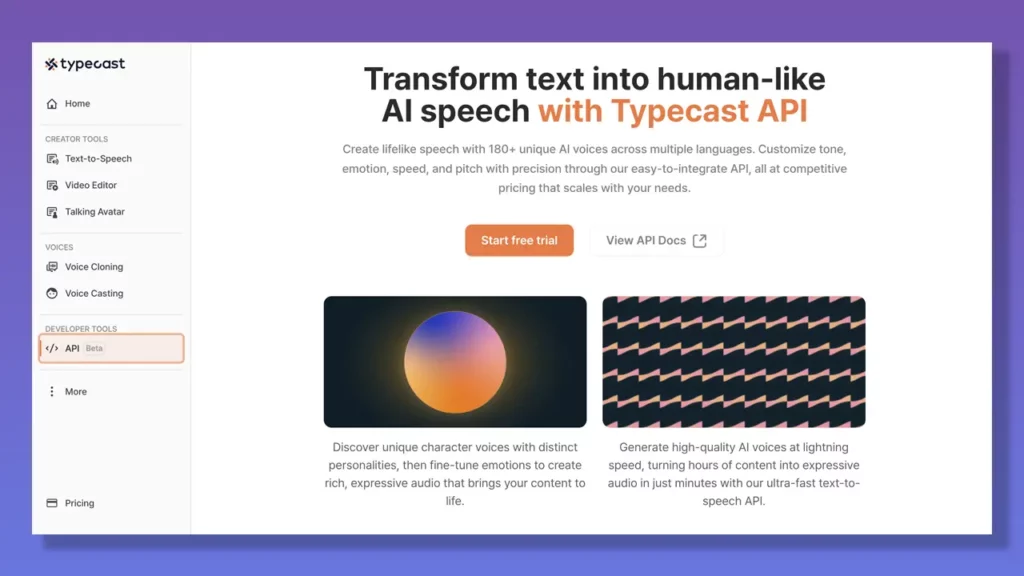
As voice applications become more sophisticated, the quality and expressiveness of synthesized speech matter more than ever.
Typecast’s text-to-speech API complements a voice API cloud by focusing on high-quality voice generation rather than telephony alone.
Scalable voice generation beyond basic speech
Typecast provides a cloud-based solution for generating expressive, human-like voices from text.
When combined with a scalable voice API cloud, it allows teams to separate call handling from voice generation—improving performance and flexibility.
Typecast’s API is particularly valuable for:
- Dynamic IVR prompts
- Multilingual announcements
- Voice-enabled applications and assistants
- Automated audio content production
Its cloud-native design ensures consistent performance even as usage scales, making it a strong companion to major voice API cloud platforms.
Integrating Typecast into cloud voice workflows
Many teams use Typecast alongside platforms like AWS, Google Cloud, or Twilio.
Voice is generated on demand and delivered through existing call or application pipelines, enabling high-quality speech without managing audio infrastructure.
For teams looking to add expressive speech at scale, Typecast offers a dedicated API that integrates cleanly into modern cloud environments.
Choosing the right voice API cloud for your needs

Selecting the best voice API cloud depends on both current requirements and long-term growth plans.
Assess scalability needs early
If your application may experience rapid adoption, prioritize platforms with proven auto-scaling and global infrastructure.
Evaluate ecosystem maturity
Strong ecosystems reduce development time and risk.
This is especially important for a voice API developer building complex systems with analytics, AI, or CRM integrations.
Understand pricing models
Most voice API cloud providers use usage-based pricing. While flexible, costs can grow quickly at scale, so monitoring and optimization are essential.
Security and compliance at scale
As systems grow, so do security risks. A robust voice API cloud should include:
- Encrypted voice traffic
- Compliance with global data regulations
- Monitoring and access controls
Microsoft emphasizes that:
“Cloud providers often invest more in security than individual organizations can on their own.”
This makes cloud-based voice platforms a safer choice for large-scale deployments.
The future of the voice API cloud

The next generation of voice API cloud platforms will go beyond infrastructure. Emerging capabilities include:
- Emotion-aware speech synthesis
- Real-time language translation
- Deeper conversational AI integration
As these innovations mature, scalable cloud platforms will make them accessible without major architectural changes.
Final thoughts
Scalability is the defining advantage of modern voice technology.
A well-designed voice API cloud allows organizations to deliver reliable, high-quality voice experiences to users anywhere in the world.
By combining scalable telephony platforms with specialized tools like Typecast’s API, teams can build voice-driven applications that are not only powerful today but ready for tomorrow’s growth—without being constrained by infrastructure or performance limits.