





The challenges of AI in education are reshaping how we think about teaching and learning in the 21st century. As schools and universities rapidly adopt artificial intelligence tools, educators face a complex landscape of opportunities and obstacles that demand careful navigation.
Understanding the current AI education landscape
Artificial intelligence has moved from science fiction to everyday reality in classrooms worldwide. From automated grading systems to personalized learning platforms, AI technologies promise to revolutionize the education sector. However, this transformation brings significant hurdles that institutions must address.
The integration of AI in education creates a paradox: while these tools can enhance learning experiences, they simultaneously introduce new complications. Teachers now grapple with questions about academic integrity, student dependency, and the fundamental purpose of education itself.
The equity and access challenge

One of the most pressing challenges of AI in education involves the digital divide. Not all students have equal access to the technology required for AI-powered learning tools.
According to a UNESCO report, millions of students worldwide lack basic internet connectivity, let alone access to sophisticated AI platforms. This disparity threatens to widen existing educational inequalities rather than close them.
Infrastructure limitations
Rural schools and underfunded districts often struggle to implement AI solutions effectively. The cost of hardware, software licenses, and reliable internet connections creates barriers that privilege can easily overcome, but poverty cannot.
Many institutions also lack the technical support staff needed to maintain these systems, leading to underutilized technology and frustrated educators.
Privacy and data security concerns
AI systems require vast amounts of student data to function effectively. This necessity raises serious questions about privacy protection and data ownership.
“The collection of student data by AI systems presents unprecedented risks to privacy that we are only beginning to understand,” notes the Electronic Frontier Foundation in their analysis of educational technology.
Who owns student information?
When students interact with AI platforms, they generate valuable data about their learning patterns, strengths, and areas for improvement. The question of who controls this information—students, parents, schools, or tech companies—remains largely unresolved.
Data breaches in educational institutions have exposed millions of student records, highlighting the vulnerability of centralized AI systems.
The academic integrity crisis

Perhaps no challenge looms larger than the impact of AI on academic honesty. Generative AI tools can produce essays, solve complex problems, and complete assignments with minimal human input.
Teachers report spending increasing amounts of time trying to determine whether student work is authentic or AI-generated. This cat-and-mouse game diverts energy from actual teaching and learning.
Redefining assessment methods
Traditional homework and essay assignments may need a complete overhaul in the AI era. Educators are exploring alternative assessment methods that emphasize in-class work, oral presentations, and projects that AI cannot easily replicate.
Some institutions have implemented AI voice generator technology to create more engaging assessment materials, allowing students to interact with realistic AI-generated voices for language learning and comprehension exercises.
Teacher training and adaptation challenges

Many educators feel unprepared to navigate the artificial intelligence in education challenges and opportunities effectively. Professional development programs struggle to keep pace with rapidly evolving AI capabilities.
According to The New York Times, educators across the country are scrambling to address AI tools in their classrooms, with many feeling underprepared and concerned about how these technologies will impact teaching and learning.
The pedagogical shift
AI requires teachers to reimagine their roles. Rather than being primary knowledge sources, educators must become facilitators who guide students in using AI tools critically and ethically.
This transition demands time, resources, and institutional support that many schools cannot provide.
The loss of human connection
Education involves more than information transfer. It encompasses mentorship, emotional support, and the development of social skills through human interaction.
Over-reliance on AI risks diminishing these crucial elements. Students may miss opportunities to develop communication skills, empathy, and the ability to navigate complex social situations.
Critical thinking and dependency issues

When AI provides instant answers, students may lose motivation to develop deep analytical skills. The convenience of AI-generated solutions can create intellectual laziness.
Research suggests that excessive reliance on AI tools correlates with decreased problem-solving abilities and reduced creative thinking. These negative effects of AI in education extend beyond immediate academic performance to long-term cognitive development.
Developing AI literacy
Students need to understand both the capabilities and limitations of AI systems. This requires explicit instruction in how these tools work, their biases, and when human judgment should override automated recommendations.
Bias and fairness in AI systems
AI algorithms reflect the biases present in their training data. In education, this can perpetuate stereotypes and disadvantage certain student groups.
Facial recognition systems have shown higher error rates for students of color, according to NIST research. Automated essay grading may favor certain writing styles over others, potentially discriminating against diverse linguistic backgrounds.
The need for algorithmic transparency
Educational AI systems often operate as “black boxes,” making decisions through processes that even their creators cannot fully explain. This opacity makes it difficult to identify and correct unfair outcomes.
Cost and sustainability concerns
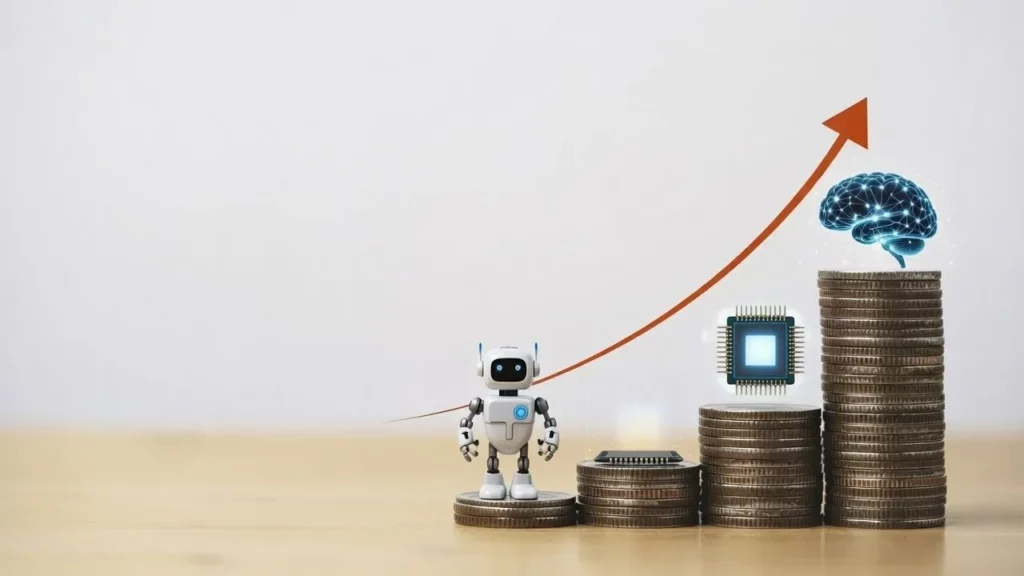
Implementing AI in education requires significant financial investment. Beyond initial purchases, schools face ongoing costs for updates, maintenance, and training.
Many institutions adopt AI solutions without clear evidence of their effectiveness, leading to wasted resources on technologies that may not improve learning outcomes.
Long-term financial planning
The sustainability of AI in education depends on realistic budgeting that accounts for the total cost of ownership, not just upfront expenses.
Schools must also consider what happens when vendor support ends or when technologies become obsolete.
Thoughtful steps for the future
The challenges of AI in education demand thoughtful responses rather than reactive policies. Educational leaders must create frameworks that harness AI’s benefits while mitigating its risks.
This requires ongoing dialogue among educators, students, parents, policymakers, and technology developers. No single stakeholder can address these challenges alone.
The future of education will undoubtedly include AI, but how we navigate these challenges today will determine whether technology serves as a tool for equity and excellence or a source of division and dependency.