



The ethics of AI in education has become one of the most pressing conversations in modern learning environments. As artificial intelligence reshapes classrooms worldwide, educators, policymakers, and parents are grappling with questions about fairness, privacy, and the human element in teaching.
The rise of AI in education
AI in education is now a present reality, not a future one. From personalized learning platforms to automated grading systems, artificial intelligence is transforming how students learn and how teachers teach. The technology promises efficiency, customization, and accessibility on unprecedented scales.
But with these advances come ethical considerations that can’t be ignored. Every new tool raises questions about who benefits, who might be left behind, and what values we’re embedding into the systems shaping young minds.
Privacy concerns in student data

One of the most significant ethical challenges involves student data privacy. AI systems require vast amounts of information to function effectively, often collecting details about learning patterns, behavioral tendencies, and academic performance.
According to the U.S. Department of Education’s report on AI and the Future of Teaching and Learning, AI models are not generally developed with educational usage or student privacy in mind, which means their application may not align with institutions’ efforts to comply with federal student privacy laws. Parents rarely understand the full scope of data being gathered about their children.
Schools must establish clear policies about data ownership and usage. Students and families deserve to know exactly what information is being collected and how it will be protected from misuse or breaches.
Algorithmic bias and fairness
The ethics of AI in education extends deeply into questions of fairness and bias. AI systems learn from historical data, which means they can perpetuate existing inequalities if that data reflects past discrimination.
Research from Stanford University’s Digital Civil Society Lab demonstrates how algorithmic bias can affect student assessments, recommendation systems, and even disciplinary actions. Students from marginalized communities may face disproportionate impacts from biased AI systems.
Key areas where bias appears:
- Automated essay scoring that favors certain writing styles
- Predictive analytics that reinforce stereotypes about student potential
- Facial recognition systems with lower accuracy for certain ethnic groups
Addressing these biases requires diverse development teams, rigorous testing, and ongoing monitoring of AI systems in real-world educational settings.
The question of human connection

Perhaps the most profound ethical consideration involves what happens to human relationships in learning. Education has always been fundamentally about connection—between teachers and students, between peers, and between learners and their communities.
As noted by education researcher Dr. Justin Reich in his work at MIT’s Teaching Systems Lab, “Technology should amplify human capabilities, not replace human connection.” This principle should guide how we implement AI in education.
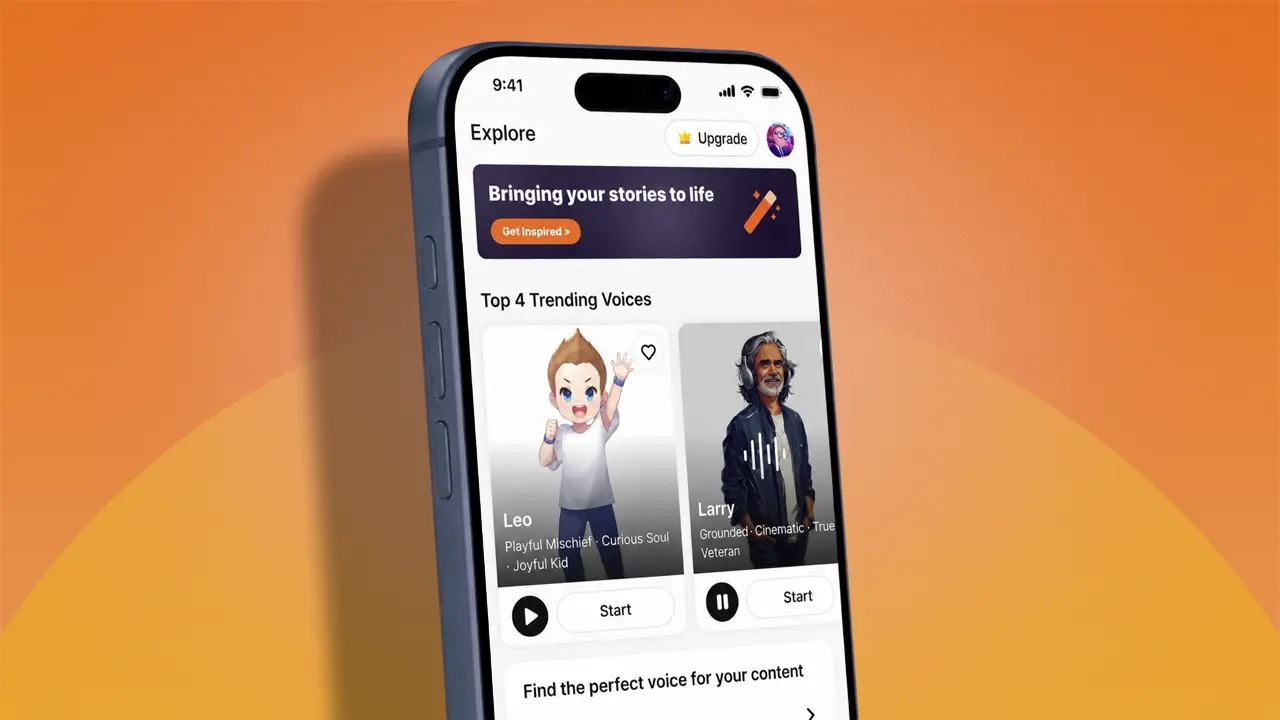
Some schools are finding creative ways to balance technology with humanity. For instance, educators are using AI voice generator tools to create accessible learning materials in multiple languages and formats, ensuring students with different needs can access content while maintaining teacher involvement in curriculum design and student support.
Transparency and explainability
Students and educators deserve to understand how AI systems make decisions that affect learning outcomes. The concept of “explainable AI” has become crucial in educational contexts.
When an AI system recommends a particular learning path, assigns a grade, or flags a student for intervention, the reasoning should be clear and accessible.
Educational institutions should demand that AI vendors provide clear explanations of their algorithms and decision-making processes. This transparency enables meaningful oversight and helps identify potential problems before they cause harm.
Access and equity

The digital divide remains a critical ethical concern in AI-powered education. Not all students have equal access to the devices, internet connectivity, and technical support needed to benefit from AI tools.
Schools and policymakers must consider how to provide resources to underserved communities. This includes not just hardware and connectivity, but also training for teachers and support staff who need to implement these technologies effectively.
Autonomy and student agency
Another dimension of the ethics of AI in education involves student autonomy. As AI systems become more sophisticated at personalizing learning, there’s a risk of creating “filter bubbles” that limit students’ exposure to diverse ideas and challenging material.
Students should maintain meaningful control over their learning journeys. AI can suggest paths and resources, but young people need opportunities to make choices, encounter unexpected ideas, and develop their own interests beyond algorithmic recommendations.
The role of educators in an AI-enhanced classroom

Teachers remain irreplaceable in the learning ecosystem, even as AI tools become more prevalent. The ethical implementation of AI in education should empower educators rather than diminish their roles.
Professional development programs must help teachers understand both the capabilities and limitations of AI tools. Educators need training in how to critically evaluate AI recommendations, identify potential biases, and integrate technology in ways that enhance rather than replace human judgment.
Many teachers are discovering innovative applications that respect their expertise. When exploring an artificial intelligence study approach, educators can leverage AI for time-consuming tasks like initial content creation while reserving their energy for mentorship, critical feedback, and building relationships with students.
Assessment integrity and academic honesty
The proliferation of AI writing tools has raised urgent questions about academic integrity. How do we maintain meaningful assessment when AI can generate essays, solve complex problems, and even create art?
Rather than treating AI as purely a cheating tool, forward-thinking educators are reframing assessment to focus on skills AI can’t easily replicate: critical thinking, creativity, collaboration, and ethical reasoning. This shift requires rethinking what we value in education and how we measure learning.
Looking forward: ethical frameworks for AI in education

Several organizations are developing ethical frameworks specifically for educational AI. The European Commission’s Ethical Guidelines on AI in Education emphasizes human agency, prevention of harm, fairness, and explicability as core principles.
These frameworks provide valuable starting points, but they must evolve alongside the technology itself. Regular review and updating ensure guidelines remain relevant as new AI capabilities emerge and our understanding of their impacts deepens.
Creating responsible policies
Educational institutions need clear policies governing AI use. These policies should address data privacy, algorithmic transparency, equity concerns, and the appropriate balance between automated and human decision-making.
Importantly, these policies shouldn’t be developed in isolation. Students, parents, teachers, and community members should all have a voice in shaping how AI is deployed in their schools. This participatory approach helps ensure that ethical considerations reflect diverse perspectives and values.
Conclusion
The ethics of AI in education demand our sustained attention and thoughtful action. As these technologies become more embedded in learning environments, we must remain vigilant about their impacts on privacy, fairness, human connection, and educational equity.
AI holds genuine promise for enhancing education—making learning more accessible, personalized, and engaging. But realizing this promise requires intentional effort to center ethical considerations in every decision about how we design, deploy, and regulate educational AI systems.
The future of learning depends not just on what AI can do, but on how we choose to use it. By prioritizing transparency, equity, and human dignity, we can harness AI’s potential while protecting the values that make education meaningful.