




Artificial intelligence for teachers is transforming how educators approach lesson planning, student engagement, and classroom management.
From automated grading systems to personalized learning platforms, AI in education is opening doors to more efficient and effective teaching methods that were once impossible to imagine.
Why AI for teachers matters now
The education landscape has shifted dramatically in recent years. Teachers face increasing class sizes, diverse learning needs, and administrative burdens that take time away from actual teaching. AI tools are stepping in to fill these gaps, offering solutions that save time while improving educational outcomes.
According to a McKinsey Global Institute report, AI could free up 20-40% of teachers’ time currently spent on administrative tasks. This means more one-on-one attention for students who need it most.
Top AI tools transforming classrooms

AI tools are revolutionizing the classroom experience. They not only aid in managing the classroom but also open new avenues for personalized learning.
Grading and assessment automation
Tools like Gradescope and Turnitin Feedback Studio use AI to streamline the grading process. These platforms can evaluate student work, identify patterns in mistakes, and provide consistent feedback across assignments.
Teachers report saving up to 10 hours per week on grading alone. That’s time redirected toward curriculum development and student interaction.
Personalized learning platforms
Khan Academy’s Khanmigo and Carnegie Learning use AI algorithms to adapt content to individual student needs. These systems track progress, identify knowledge gaps, and adjust difficulty levels in real-time.
The beauty of personalized AI lies in its ability to meet each student exactly where they are. No two learning journeys look the same.
Content creation assistants
Creating engaging educational materials doesn’t have to consume your entire weekend. AI-powered tools like Canva’s Magic Design and AI voice generators are revolutionizing how teachers produce content for their classrooms.
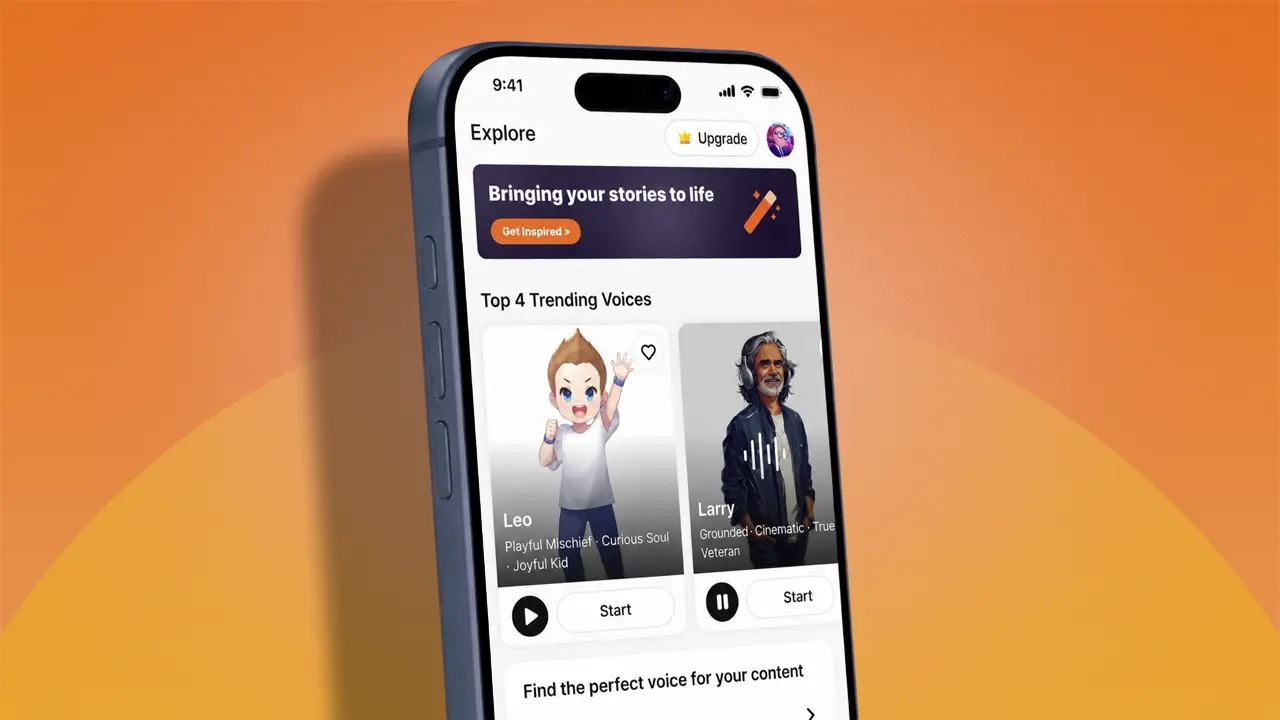
An AI voice generator can transform written lesson materials into engaging audio or video content with realistic voices. This is particularly valuable for creating accessible learning materials, language lessons, or multimedia presentations that capture student attention.
Teachers can choose from various voice types and even multiple languages to suit their classroom needs.
AI for classroom management
The following points explain how AI is used for classroom management.
Attendance and behavior tracking
ClassDojo and TeacherKit leverage AI to monitor student engagement, track attendance patterns, and flag potential behavioral issues before they escalate. These early warning systems help teachers intervene proactively.
The data-driven insights help identify which students might need extra support or enrichment opportunities.
Smart scheduling tools
AI scheduling assistants like x.ai and Calendly for Education optimize parent-teacher conferences, study sessions, and resource allocation. They eliminate the back-and-forth emails and find meeting times that work for everyone.
Communication and collaboration tools

AI-enhanced communication platforms are bridging the gap between teachers, students, and parents. Tools like Remind and ClassTag use natural language processing to translate messages, send automated updates, and facilitate better home-school connections.
Language learning AI
Duolingo and Rosetta Stone incorporate AI to provide real-time pronunciation feedback and adaptive language exercises. These tools are particularly useful for ESL teachers and world language classrooms.
The conversational AI features help students practice speaking without fear of judgment from peers.
Research and lesson planning aids
Platforms like Semantic Scholar and Consensus use AI to help teachers find relevant academic research, studies, and teaching resources quickly. Instead of spending hours searching for credible sources, teachers get curated results in minutes.
While not a replacement for teacher creativity, AI tools like Education Copilot and Curipod can generate lesson plan frameworks, discussion questions, and activity ideas based on learning objectives. Teachers can then customize these templates to fit their unique classroom needs.
Addressing concerns: The ethics of AI in education

With great technological power comes great responsibility. The ethics of AI in education raises important questions about data privacy, algorithmic bias, and the role of human judgment in teaching.
Teachers should carefully evaluate any AI tool for:
- Student data protection policies
- Transparency in how algorithms make decisions
- Accessibility features for all learners
- Potential biases in content or assessments
The goal is to use AI for teachers as an enhancement tool, not a replacement for human expertise and connection.
Getting started with AI in your classroom

Don’t try to implement every AI tool at once. Choose one problem area—maybe grading or content creation—and test a single tool there first. Master it before expanding.
Seek professional development
Many educational technology companies offer free training webinars and resources. Districts are also increasingly providing AI literacy workshops for teachers.
According to the International Society for Technology in Education, “Educators should seek ongoing professional learning opportunities to develop their understanding of AI and its implications for teaching and learning.”
Involve students in the conversation
Talk to your students about the AI tools you’re using. Make it a learning opportunity about technology, ethics, and digital citizenship.
The future of AI for teachers
The integration of AI in education isn’t slowing down. We’re seeing developments in virtual teaching assistants, augmented reality learning experiences, and predictive analytics for student success.
But the most successful implementations will always keep the teacher-student relationship at the center. AI should amplify what great teachers already do—inspire, guide, and nurture young minds.
The question isn’t whether to use AI for teachers, but how to use it wisely and ethically. The tools are here. The opportunity is now. And the potential to transform education for the better has never been greater.