




If you have ever wondered how does conversational ai work, you are looking at the intersection of linguistic science and massive computing power.
This technology allows machines to engage in human-like dialogues, transforming how business owners and developers approach customer interaction.
Understanding these mechanics is no longer just for researchers; it is a core requirement for staying competitive in a 2026 digital economy.
What is conversational AI in the modern era?
Conversational AI refers to systems that simulate human conversation using advanced generative and predictive algorithms.
It goes beyond the “if-this-then-that” logic of early chatbots, adapting to user inputs in real-time with nuanced understanding.
These platforms process language, context, and intent to deliver replies that feel increasingly indistinguishable from a human agent.
Core components of how does conversational ai work
To truly grasp how does conversational ai work, we must look at the foundational architecture that handles data from the moment a user speaks or types.
The process is a relay race between several specialized sub-systems that work together in milliseconds.
- Natural language understanding (nlu): Interprets user queries by breaking down syntax, grammar, and sentiment.
- Dialogue management: The “brain” that tracks conversation flow and remembers previous exchanges to maintain context.
- Natural language generation (nlg): The final stage that crafts coherent, personalized responses.
- Integration layer: Connects the AI to your internal databases, APIs, and CRM systems for real-time data retrieval.
The role of natural language processing and machine learning

Natural language processing (NLP) is the engine behind the curtain, enabling the system to parse human language and handle slang or accents.
It uses tokenization to split text into manageable chunks, while entity recognition extracts key details like names, dates, or product IDs.
Machine learning fuels the adaptability here; models are trained on vast datasets to predict the most helpful response based on patterns.
“By 2026, traditional search engine volume will drop 25%, with search marketing losing market share to AI chatbots,” according to Gartner (2024).
Conversational AI voice: bringing interactions to life

Adding a conversational AI voice layer introduces an auditory dimension that makes interactions feel more intuitive and accessible.
Voice systems first use Automatic Speech Recognition (ASR) to turn audio into text, which is then processed by the core NLU engine.
The final step uses a text-to-speech API to convert the AI’s written response back into a spoken format.
high-fidelity synthesis for better engagement
For developers, the goal is to reduce the “robotic” feel that often plagues automated phone systems.
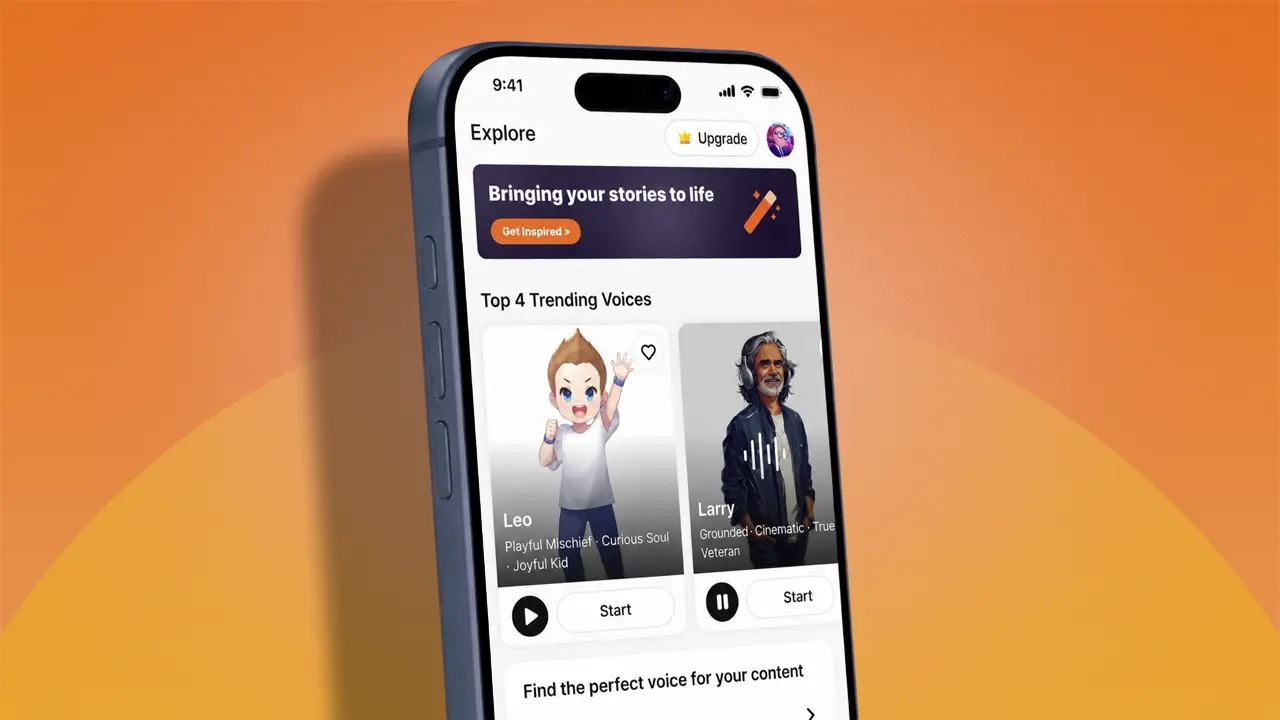
Using a tool like Typecast’s realistic AI voice generator can significantly improve user retention by providing a warm, human-like persona.
This is especially vital for business owners looking to automate outbound calls or high-end concierge services.
How to use conversational AI bot for business growth

If you are a marketer or developer figuring out how to use conversational AI bot tools, start by identifying high-friction touchpoints.
Automating FAQs is the baseline, but the real value lies in qualifying leads or processing transactions without human intervention.
- Define clear goals: Decide if your bot is for support, sales, or internal employee workflows.
- Domain-specific training: Feed your bot industry-specific data so it understands your unique jargon.
- Monitor and iterate: Use sentiment analysis to see where users get frustrated and refine the dialogue paths accordingly.
“Conversational AI—systems such as ChatGPT and Gemini—is now disrupting both awareness and demand capture,” notes the Harvard Business Review (2026).
Real-world examples and industry applications
In 2026, we see this tech in every sector, from retail bots offering personalized style advice to healthcare bots triaging symptoms.
To see what is an example of conversational AI that truly scales, look at modern fintech apps that handle complex fraud disputes via chat.
These systems use “agentic AI” to actually perform tasks—like freezing a credit card—rather than just talking about it.
Challenges and ethical considerations in AI deployment

Despite the power of how does conversational ai work, handling nuanced human emotions remains a significant hurdle for many models.
Data privacy is also paramount; business owners must ensure their bots are compliant with evolving global regulations like GDPR.
“One in four brands will see a 10% increase in successful simple self-service interactions by the end of 2026,” predicts Forrester (2025).
Avoiding bias in training
Developers must audit their models regularly so the AI doesn’t perpetuate biases found in historical training data.
Transparency is key—always disclose to the user that they are speaking with an AI to maintain brand trust.
Future trends: what is next for conversational systems?
The next evolution of how does conversational ai work involves multimodal inputs, where bots can “see” images or videos you share.
We are also moving toward “long-term memory,” where a conversational AI voice assistant remembers your preferences across different sessions.
This shift toward hyper-personalization will allow marketers to predict customer needs before they are even explicitly voiced.
“Generative and agentic AI capabilities are here, bringing a promise of empowering customers to do much more for themselves,” states Forrester (2025).
Getting started with your implementation
For those still learning how to use conversational AI bot frameworks, the barrier to entry has never been lower.
Start with a pilot program on a single channel, like WhatsApp or your website’s help center, and scale based on performance.
Focus on the user experience first, and the technical complexity will naturally follow as your needs grow.