




Artificial intelligence and the future of teaching and learning are becoming increasingly intertwined as educational institutions worldwide embrace technological transformation.
The integration of AI tools is reshaping how educators teach and how students absorb information, creating personalized learning experiences that were once impossible to achieve at scale.
How AI is transforming traditional classrooms
The classroom of today looks vastly different from even a decade ago. AI-powered platforms now analyze student performance in real-time, identifying knowledge gaps and adjusting content delivery accordingly.
Teachers are no longer limited to one-size-fits-all lesson plans. Instead, they can leverage intelligent systems that provide insights into each student’s learning style, pace, and preferences.
According to a Stanford University study, AI has the potential to provide personalized tutoring at a scale that human teachers alone cannot achieve, making quality education more accessible to diverse populations.
Personalized learning experiences through intelligent systems
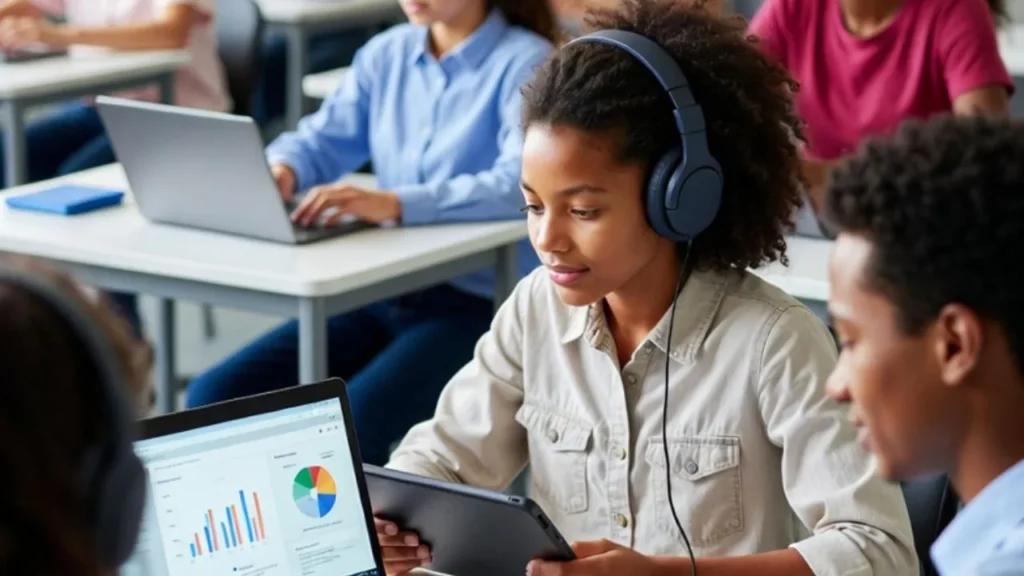
One of the most significant advantages of the future of artificial intelligence in education is its ability to create tailored learning pathways. Every student learns differently, and AI recognizes this fundamental truth.
Adaptive learning platforms adjust difficulty levels based on individual performance. If a student struggles with a particular concept, the system provides additional resources and practice problems until mastery is achieved.
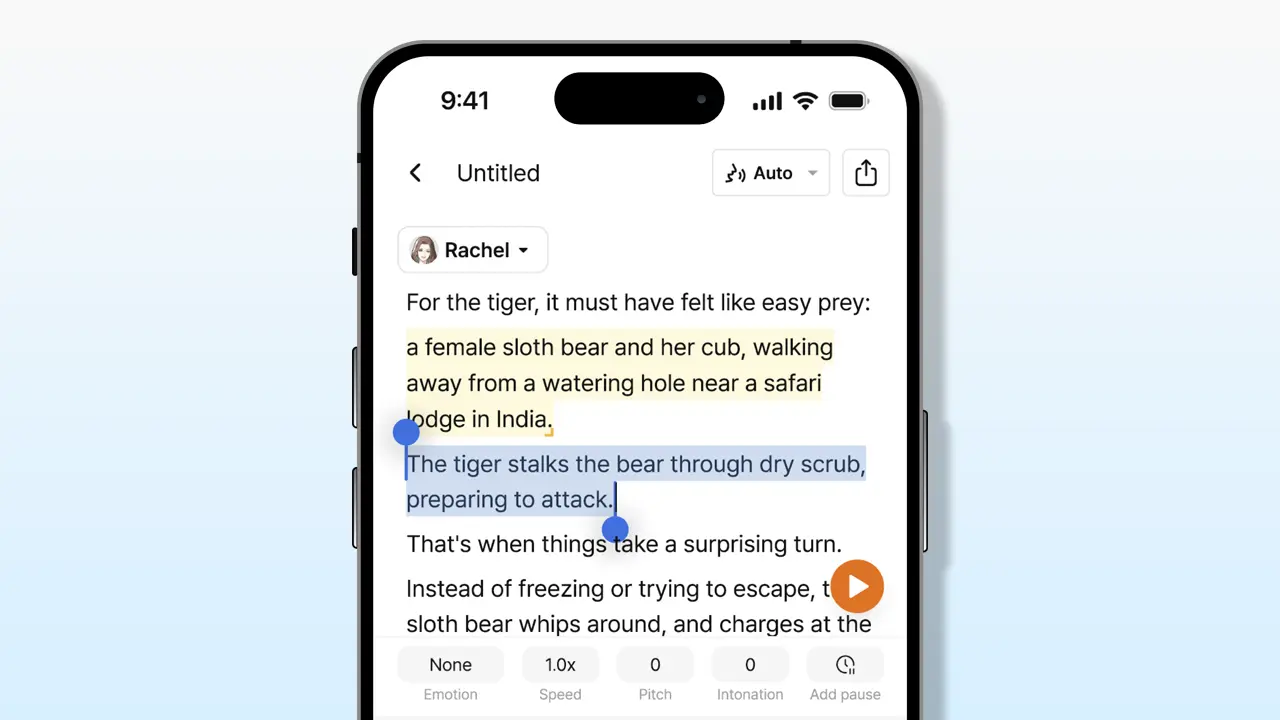
This personalization extends beyond academics. AI voice generators are revolutionizing how educational content is delivered by creating engaging audio materials with realistic, natural-sounding voices that maintain student attention.
The role of AI in supporting educators
Teachers spend countless hours on administrative tasks that pull them away from actual teaching. AI in education addresses this challenge by automating grading, attendance tracking, and progress reporting.
This automation frees educators to focus on what matters most: building meaningful connections with students and developing creative, engaging lesson plans.
Addressing concerns about AI implementation
AI implementation is widespread across numerous industries, and its application in education, like in all other fields, brings forth some questions and concerns, as detailed below.
The challenges of AI in education
While the benefits are substantial, we must acknowledge the challenges of AI in education. Privacy concerns, data security, and the digital divide continue to be significant obstacles.
As UNESCO warns, without careful planning and ethical guidelines, AI could exacerbate existing educational inequalities rather than resolve them.
Not every school has equal access to technology infrastructure. Rural and underfunded schools may struggle to implement AI solutions, creating a gap between well-resourced and under-resourced institutions.
Maintaining the human element
“Technology will never replace great teachers, but technology in the hands of great teachers is transformational,” notes educational technology expert George Couros. This perspective captures the essential balance we must strike.
AI should augment, not replace, human educators. The empathy, creativity, and emotional intelligence that teachers bring to classrooms cannot be replicated by algorithms.
Practical applications already making an impact

Despite ongoing concerns, AI is having a tangible impact on learning systems broadly.
Intelligent tutoring systems
AI-powered tutoring systems provide 24/7 support to students outside of classroom hours. These systems answer questions, provide explanations, and guide students through problem-solving processes.
Research from the Bill & Melinda Gates Foundation shows that students using AI tutoring systems demonstrate significant improvements in comprehension and retention.
Language learning innovations
Language acquisition benefits tremendously from AI technology. Apps now provide instant pronunciation feedback, conversational practice with AI chatbots, and cultural context that enriches the learning experience.
Students can practice speaking without fear of judgment, building confidence before engaging in real-world conversations.
Accessibility improvements
AI breaks down barriers for students with disabilities. Text-to-speech technology helps students with visual impairments, while speech-to-text assists those with physical disabilities that make writing difficult.
Automated captioning and translation services ensure that language is no longer a barrier to accessing quality educational content.
The evolving role of assessment and feedback
Traditional testing methods are giving way to more sophisticated assessment approaches. AI analyzes patterns in student work, identifying not just what students know but how they think and approach problems.
Instant feedback mechanisms allow students to learn from mistakes immediately rather than waiting days or weeks for graded assignments to return.
This immediacy accelerates the learning process. Students can correct misconceptions before they become ingrained, leading to deeper understanding and better long-term retention.
Preparing students for an AI-driven future
As AI continues to integrate into every aspect of education and daily life, the ability to use it thoughtfully will be essential for future success. This raises an important question: What skills should today’s students develop to thrive in an AI-driven era?
Developing critical thinking skills
As artificial intelligence becomes increasingly intertwined with teaching and learning, educators must emphasize skills that enhance—rather than compete with—AI capabilities. Critical thinking, creativity, and emotional intelligence are becoming even more valuable.
Students need to learn how to collaborate with AI tools, analyze outputs critically, and apply human judgment when using technological solutions.
Fostering digital literacy
For the next generation, understanding AI is no longer optional—it’s fundamental. Students should learn how these systems function, what their limitations are, and how to use them ethically and responsibly.
Educational curricula are beginning to incorporate AI literacy, helping students understand algorithms, data privacy, and responsible technology use.
The global perspective on AI in education
Different countries are approaching AI integration at varying speeds and with different priorities. Finland emphasizes ethical AI education, while Singapore focuses on personalized learning platforms.
According to the OECD, successful AI implementation requires collaboration between educators, technologists, policymakers, and communities to ensure solutions meet local needs.
Developing nations face unique challenges but also unique opportunities. Mobile-first AI solutions can leapfrog traditional infrastructure limitations, bringing quality education to remote areas.
What the future holds
The trajectory of artificial intelligence and the future of teaching and learning point toward increasingly sophisticated, personalized, and accessible education for all. We’re moving from standardized education to customized learning journeys.
Virtual and augmented reality, powered by AI, will create immersive learning experiences that transport students to historical events, inside the human body, or across the solar system.
AI assistants will become learning companions, growing alongside students throughout their educational journey and adapting to their evolving needs and interests.
Taking action as an educator or institution
If you’re ready to explore how artificial intelligence and the future of teaching and learning can transform your educational environment, start small. Pilot one AI tool in a single classroom before scaling up.
Invest in professional development so teachers feel confident using new technologies. The best tools are useless if educators don’t understand how to integrate them effectively.
Listen to student feedback throughout the implementation process. They often provide insights that adults miss about what actually helps them learn.
The future of artificial intelligence in education isn’t about replacing human connection—it’s about enhancing it. By thoughtfully integrating AI tools into our educational systems, we create opportunities for every student to reach their full potential while supporting teachers in their vital work.