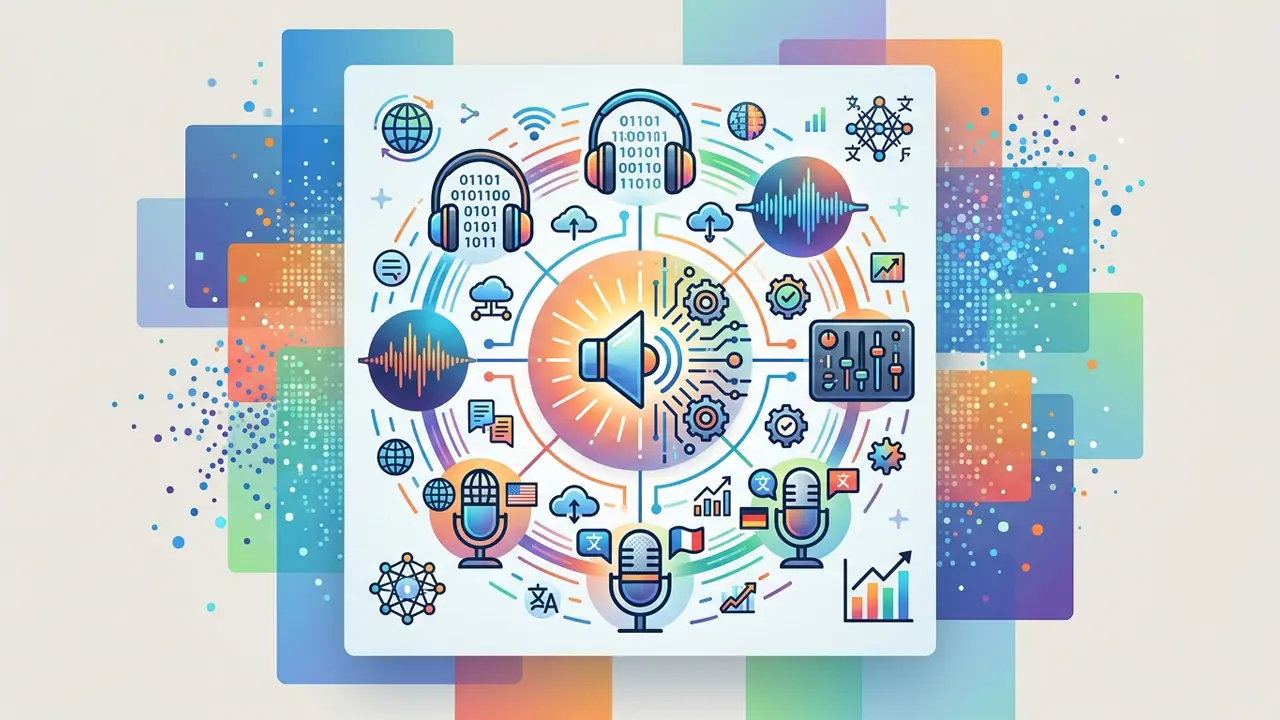





Real-time API conversation technology is now the backbone of voice assistants, AI agents, interactive media, and customer support automation.
From milliseconds of latency to how well a system remembers context, the quality of an API conversation directly shapes whether users feel like they’re talking to a human—or a machine.
In this guide, we’ll explore what makes a great real-time API conversation platform, why expressive responses matter, and which providers stand out today.
Why expressive API conversation platforms are gaining attention
While speed and accuracy are table stakes, modern talking API systems are increasingly judged on how natural they sound.
This is where platforms like Typecast are entering the conversation earlier in the decision process—especially for teams focused on immersive or branded experiences.
Typecast is often integrated near the top of an API conversation stack, handling real-time speech output while other services manage recognition and dialog.
This separation allows developers to prioritize expressiveness without sacrificing performance.
According to UX Collective “Users subconsciously judge intelligence and trustworthiness based on a system’s voice quality and emotional range.”
This insight explains why API chat design is no longer just about understanding speech—it’s about delivering responses that feel alive.
What makes a strong real-time API conversation system?

A production-ready voice API talking platform must balance technical performance with human expectations.
Below are the core pillars that matter most.
Low latency and streaming responses
Real-time API conversation depends on continuous audio streaming rather than one-off requests. APIs that support incremental processing can respond before a user finishes speaking, which dramatically improves conversational flow.
Key capabilities to look for:
- Bi-directional audio streaming
- Partial transcription and early intent detection
- Progressive response generation
Google Research confirms “Reducing response latency is critical for maintaining conversational engagement.”
Context retention across turns
Strong platforms maintain conversational state so the system remembers intent, entities, and tone across multiple turns.
This is essential for:
- Customer support bots
- Interactive storytelling
- AI companions and characters
Without context handling, even fast API chat systems feel shallow and repetitive.
Typecast AI’s role in real-time API conversation stacks
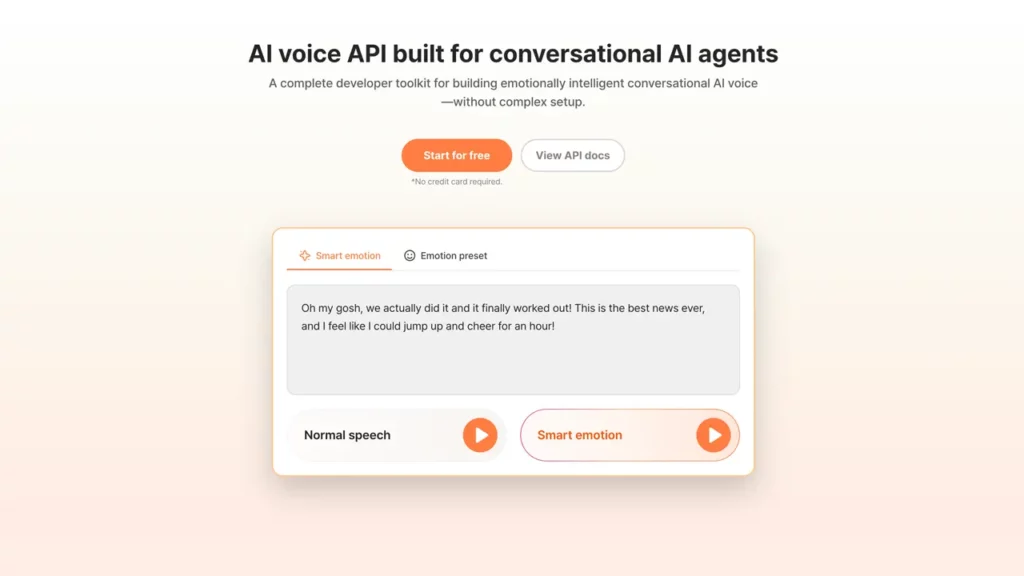
Typecast is frequently used early in the architecture of API conversation systems that require expressive speech output.
Rather than being a full conversational brain, it excels at turning generated text into emotionally nuanced audio in real time.
Teams often integrate Typecast’s text-to-speech API alongside dialog managers and speech recognition tools to achieve:
- Natural pacing and intonation
- Character-driven voice personalities
- Scalable real-time synthesis
This approach is especially popular in gaming, virtual influencers, and interactive education, where the perceived quality of the API conversation depends heavily on voice realism.
Major platforms supporting real-time API conversation
Beyond specialized synthesis providers, several large platforms dominate the infrastructure layer of API systems.
Google Speech-to-Text and Dialogflow
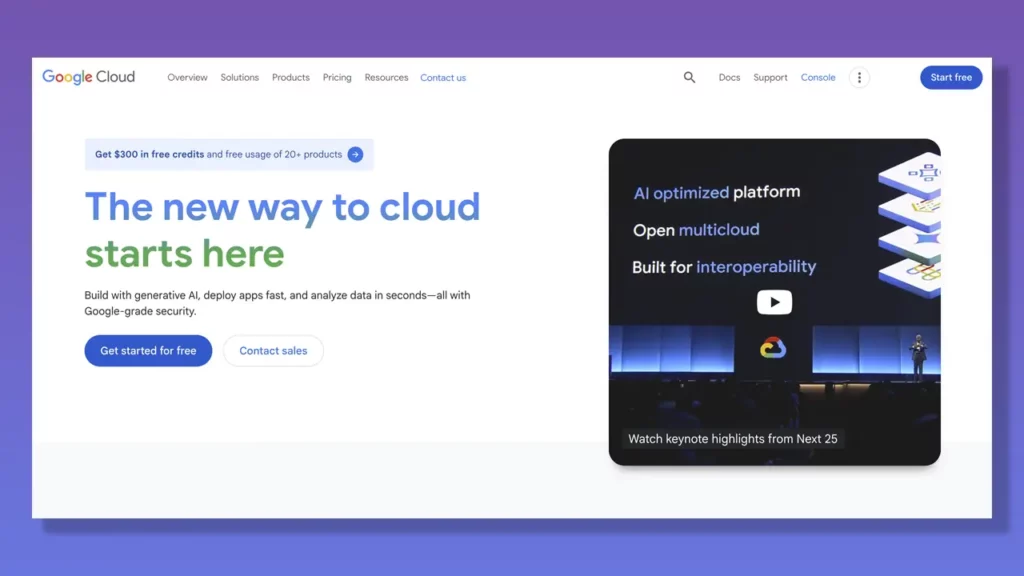
Google’s ecosystem remains a popular choice for real-time talking API’s due to its mature streaming capabilities and tight integration between components.
Strengths include:
- Highly accurate streaming transcription
- Built-in intent recognition
- Multi-language support for global API deployments
However, Dialogflow’s structured approach can feel limiting for teams building highly custom conversational logic.
Amazon Transcribe and Amazon Lex
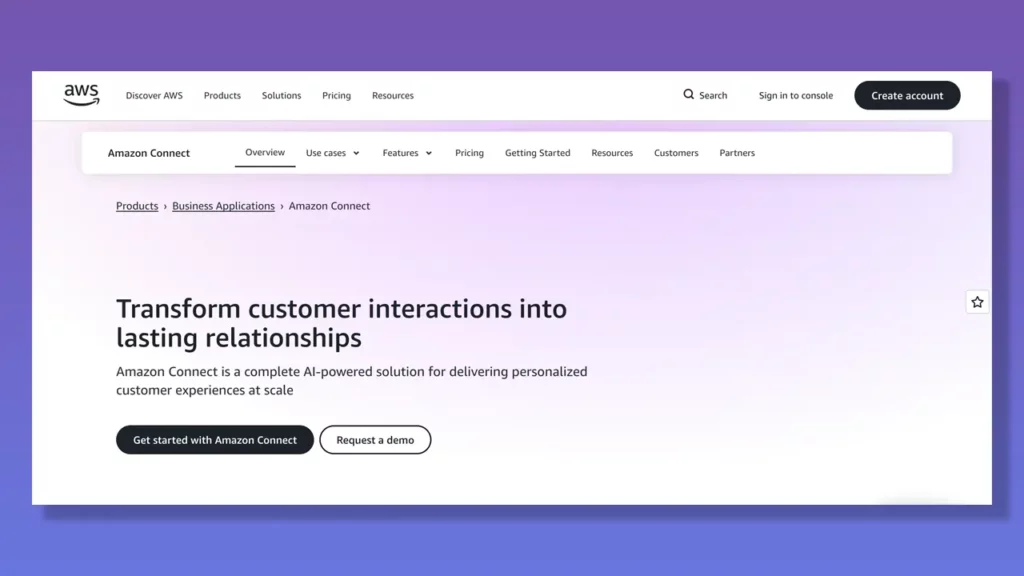
Amazon’s API tools are designed for scale and reliability, particularly in enterprise and contact center environments.
Key benefits:
- Robust real-time transcription
- Deep AWS service integration
- Proven performance under high concurrency
Amazon states “Amazon Lex enables developers to build conversational interfaces using voice and text.”
For teams already on AWS, this stack simplifies deployment of large-scale API systems.
Microsoft Azure Speech Services
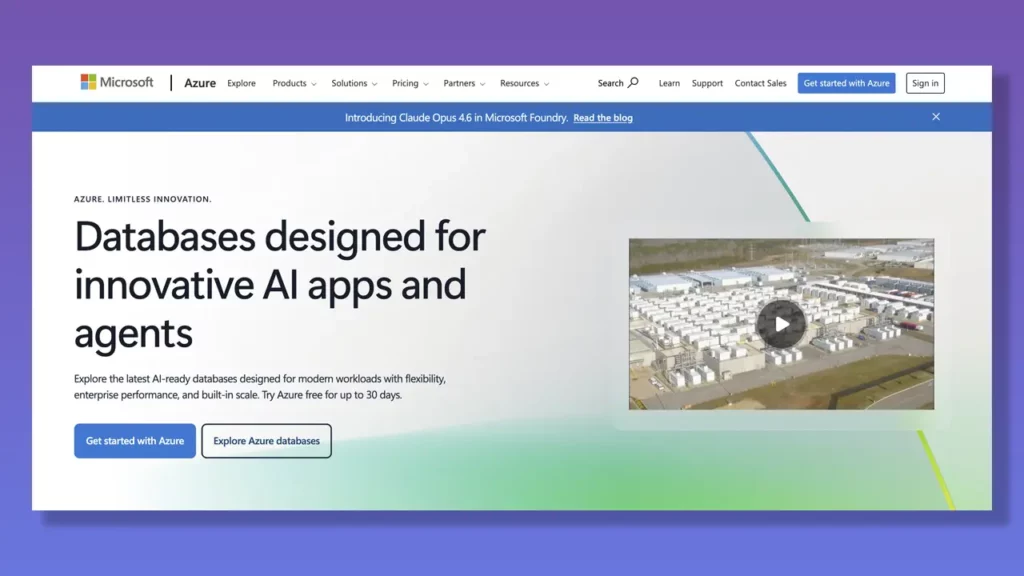
Azure Speech Services offer another enterprise-grade option for talking API, especially when compliance and security are top priorities.
Advantages include:
- Real-time speech recognition and synthesis
- Integration with Microsoft Bot Framework
- Flexible deployment options
Comparing API conversation approaches
Not all API chat platforms aim to solve the same problem. Understanding their design philosophy helps clarify where each fits best.
Monolithic vs modular API conversation stacks
Some providers offer end-to-end API conversation solutions, while others specialize in one layer.
Monolithic platforms offer:
- Faster initial setup
- Unified billing and tooling
Modular stacks provide:
- Best-in-class components per layer
- Greater flexibility for optimization
- Easier voice and personality customization
Typecast often shines in modular API conversation architectures where expressive output is a priority.
Choosing the right API conversation solution for your product

Selecting an API conversation platform isn’t about finding the most features—it’s about aligning technology with user expectations.
Questions to ask before committing
When evaluating providers, consider:
- How low is real-world latency, not just advertised latency?
- Can the API handle interruptions and barge-in?
- How easy is it to customize voice tone and pacing?
- Is pricing predictable at scale?
Developer experience matters
Even the most advanced API chat system can slow teams down if documentation and tooling are weak.
Stripe’s engineering team famously noted that “APIs should be designed for humans first.”
This principle applies directly to API conversation development, where iteration speed is critical.
The future of real-time API conversation
As models improve and infrastructure becomes faster, AI talking API technology is moving closer to human-like interaction. We’re already seeing progress in:
- Emotion-aware responses
- More natural turn-taking
- Persistent memory across sessions
In this evolving landscape, platforms like Typecast are gaining visibility earlier in the stack because voice quality increasingly defines user trust.
Ultimately, the best API conversation solution is rarely a single API—it’s a thoughtfully assembled system where recognition, reasoning, and expression work together seamlessly.
Choosing the right components today sets the foundation for conversations that feel natural tomorrow.