


Finding the best software to write a book is the first step toward turning your creative vision into a published reality.
The writing landscape has evolved dramatically. Today’s authors can choose from everything from simple word processors to AI-powered tools offering features that once felt like science fiction. With so many options available, finding software that truly fits your writing style and workflow is essential.
This comparison highlights some of the top book-writing platforms and what makes each one stand out.
What Makes Great Book Writing Software?

The best software to write a book should feel almost invisible—supporting your creativity without interrupting it. Strong writing tools provide distraction-free environments, helpful organization features, and reliable syncing across devices, allowing you to focus on storytelling instead of technology. Use a story maker online free to brainstorm creatively and transform your ideas into a complete masterpiece story.
Microsoft Word: The Traditional Powerhouse
Microsoft Word remains a popular choice for many authors thanks to its universal compatibility. Editors, agents, and publishers can easily open and review Word files.
It offers dependable formatting tools and track changes for collaboration, but it lacks specialized features for long-form writing, such as scene management or character tracking.
Scrivener: Built for Serious Writers
Scrivener is purpose-built for novelists and non-fiction authors managing complex projects. Its corkboard view allows writers to visualize an entire manuscript at a glance, making it easier to manage structure.
The platform excels at handling chapters, research materials, and character notes in one place. PCMag describes it as “the gold standard for writing software,” highlighting its flexibility and organizational power.
Key features include:
- Split-screen editing
- Custom metadata for tracking plot threads
- Compile tools for exporting multiple formats
- Snapshot version control
Atticus: A Modern All-in-One Tool
Atticus has gained attention for combining writing, formatting, and publishing tools in a single platform. Its clean interface and built-in templates make it appealing to authors preparing manuscripts for publication.
Writers often choose Atticus for its focus on the entire publishing workflow rather than drafting alone.
Dabble: Flexible and Writer-Friendly
Dabble appeals to both planners and improvisational writers. Its story grid helps track multiple plotlines across chapters, while goal-setting features support consistent writing habits.
With a subscription-based model, it’s accessible to writers looking for structure without excessive complexity.
Novelcrafter: Designed for Worldbuilders
Novelcrafter is tailored for long-form fiction and expansive worldbuilding, making it a strong option for series writers. It’s often noted for its integration of AI-assisted writing features and its ability to manage intricate narratives.
yWriter: Free and Functional
yWriter demonstrates that powerful writing software doesn’t have to be expensive. This free tool offers scene-based organization and character tracking similar to paid alternatives.
Created by an author, yWriter focuses on practical storytelling tools, helping writers maintain structure through chapter and scene breakdowns.
Choosing the Right Software for Your Project

The best software to write a book depends on your goals and preferences. Writers working on complex narratives may prefer Scrivener’s organizational depth, while others may value the simplicity and collaborative power of AI for writing to help move the story along.
Consider factors such as:
- Your technical comfort level
- Budget
- Collaboration needs
- Genre requirements
- Publishing goals
Many authors use multiple tools throughout the process—drafting in one platform, editing in another, and formatting elsewhere.
Making the Most of Your Chosen Platform
Whichever tool you choose—and consider the best software to write a book—take the time to learn its features. Most platforms offer tutorials and active communities where writers share workflows and tips.
Start simple and gradually explore more advanced features, making sure the software supports your writing rather than becoming a distraction.
The Rise of Audiobook Creation for Authors

As audiobooks continue to grow in popularity, more authors are exploring ways to produce audio versions of their work. Advances in AI-generated voices now allow writers to create audiobooks without traditional studio setups.
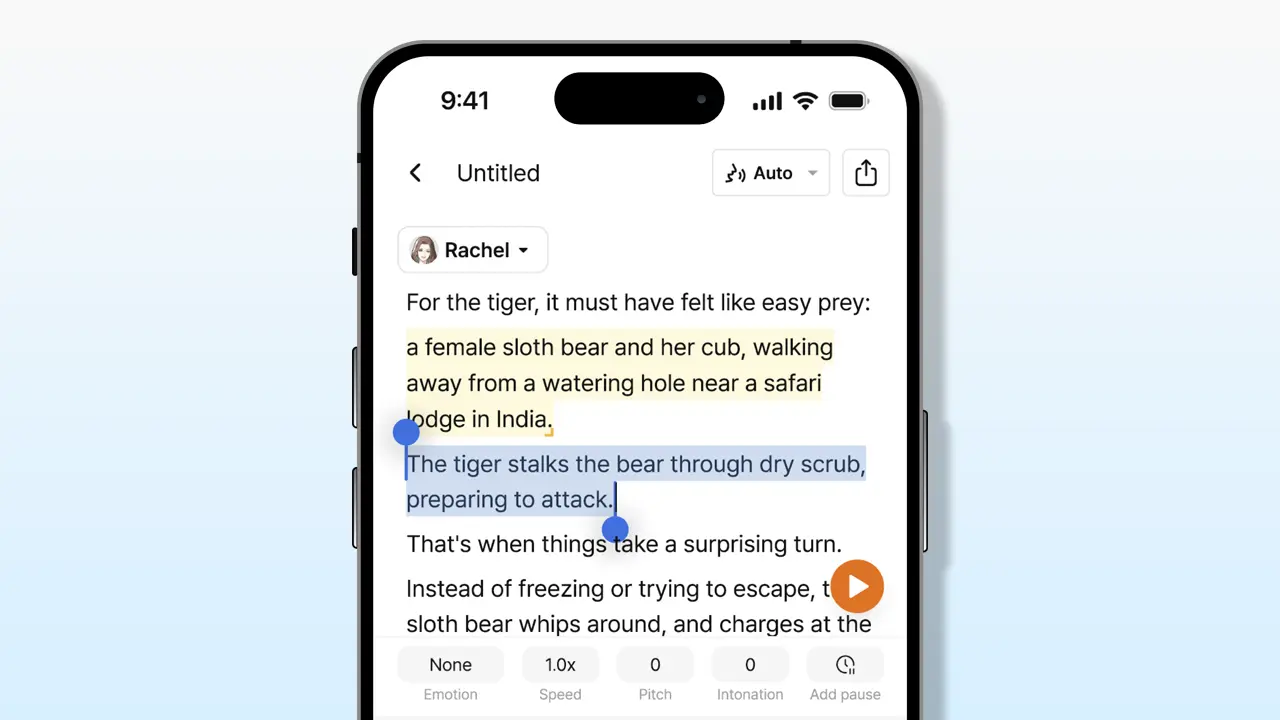
This shift has made audiobook production more accessible, enabling independent authors to experiment with different voices and storytelling styles. An audiobook recorder like Typecast can help bring stories to life by transforming text into expressive, emotionally rich audio, making books more immersive for listeners.
Final Thoughts
Choosing the best software to write a book is a personal decision. What works perfectly for one author may not work for another.
Whenever possible, try free trials before committing. Ultimately, the most effective writing software is the one you’ll use consistently. The tool matters far less than the story you’re telling—choose software that supports your process and focus on writing a book that resonates with readers.