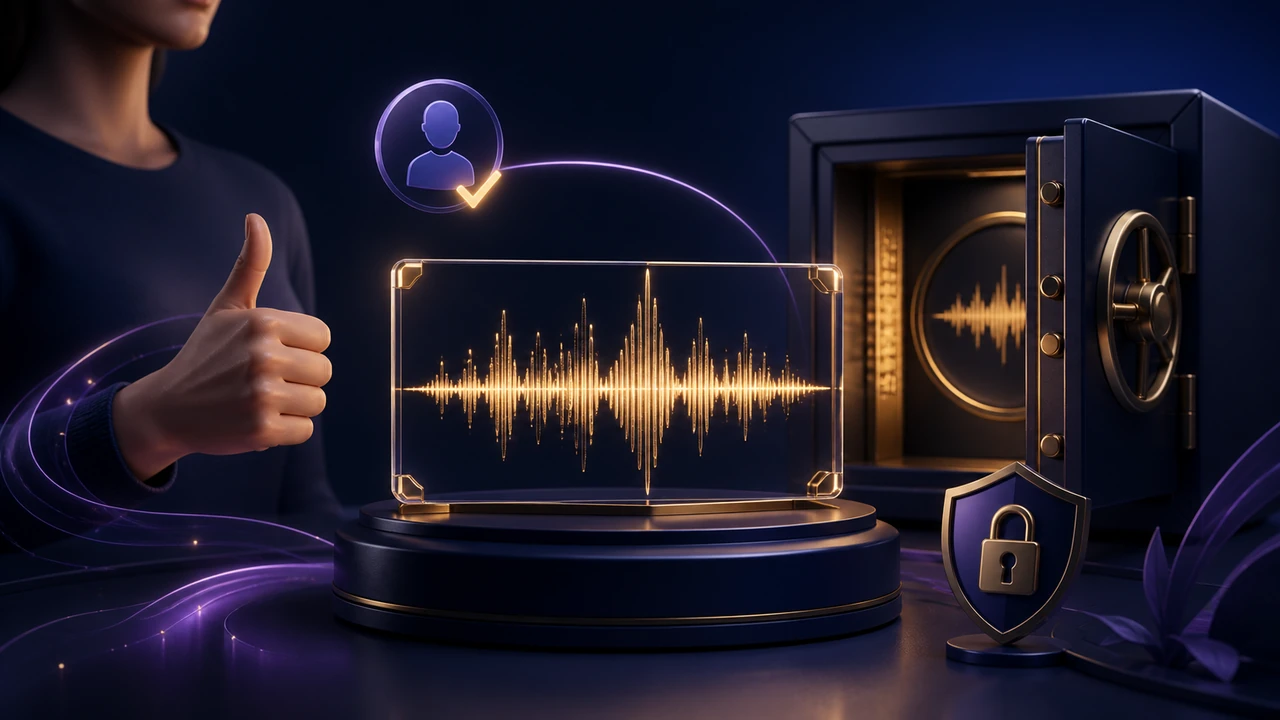




AI voice cloning how-to guidance starts with a simple principle: only create or use a cloned voice when the voice owner has clearly agreed to that specific use. Voice technology can help creators, teams, and organizations produce spoken content more efficiently, but a recognizable voice is also part of a person’s identity. Responsible use requires consent, clear communication, secure handling of recordings, and thoughtful review before publishing.
This guide explains what voice cloning is, how AI voice cloning works at a high level, how to plan a consent-led workflow, and where synthetic speech may fit into content production. It is designed to help readers make informed decisions without treating a voice clone as a substitute for permission, disclosure, or editorial judgment.
What is voice cloning?
Voice cloning is the process of creating a synthetic speech model that is designed to reproduce characteristics associated with a particular speaker’s voice. Depending on the system and the available training material, those characteristics can include vocal tone, cadence, pronunciation patterns, rhythm, and other qualities that contribute to voice identity.
A voice clone is different from a general-purpose AI voice. A general AI voice may be expressive or natural sounding without being intended to resemble a particular person. A clone, by contrast, is connected to an identifiable individual’s vocal identity or to a voice that has been intentionally created for a particular brand, character, or project.
This distinction matters. Synthetic speech can be useful in many workflows, but a voice that listeners may associate with a real person raises additional questions about ownership, consent, context, and the possibility of confusion.
How does AI voice cloning work?
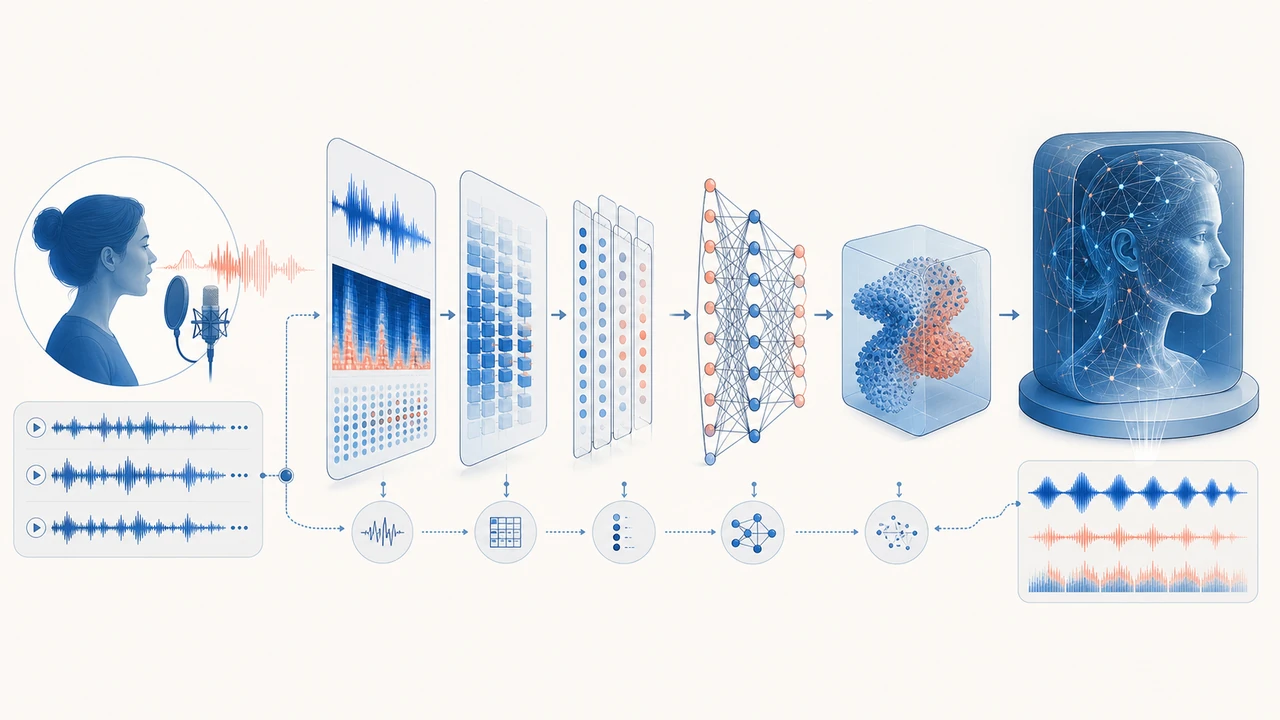
At a high level, AI voice cloning uses recorded speech to identify patterns in how a person speaks. A system may analyze elements such as pronunciation, pacing, pitch movement, pauses, emphasis, and vocal texture. It then uses those learned patterns to generate new speech from written text or, in some cases, from spoken input. For a closer look at the technology, see how AI voice cloning works.
The exact process varies by provider and model, but a typical workflow has several stages:
1. Voice recording collection: The project gathers recordings from the voice owner. Clear recordings and a representative range of speech can help establish the intended sound.
2. Review and processing: Audio may be prepared for training by separating speech from background noise, checking recording quality, and organizing source material.
3. Model creation: The system learns relationships between speech sounds and the speaker’s vocal characteristics.
4. Script input: A user provides text that the synthetic voice will read aloud.
5. Generated output: The system produces an audio rendering of the script based on the selected voice model and available controls.
6. Human review: The creator checks the result for accuracy, tone, pronunciation, unintended implications, and fit for the intended audience.
The output is not a recording of the person saying the new words. It is newly generated audio that aims to reflect patterns learned from authorized source recordings. That is why a responsible workflow must address both the collection of voice data and the future uses of the generated output.
Why source recordings matter
The quality and scope of source recordings can affect the resulting synthetic speech. Recordings may capture a person speaking in only one environment, mood, or style, while a later script may call for different phrasing or emotional delivery. A generated voice can also mispronounce unfamiliar names, abbreviations, technical terms, or multilingual content. Before preparing a recording, review how much audio you need to clone a voice and the factors that affect sample requirements.
For these reasons, a clone should not be treated as an automatic publishing tool. Reviewers should listen closely to every final asset, particularly when the content includes sensitive information, public-facing statements, or language that could be interpreted as a personal endorsement.
Consent is the foundation of responsible voice cloning
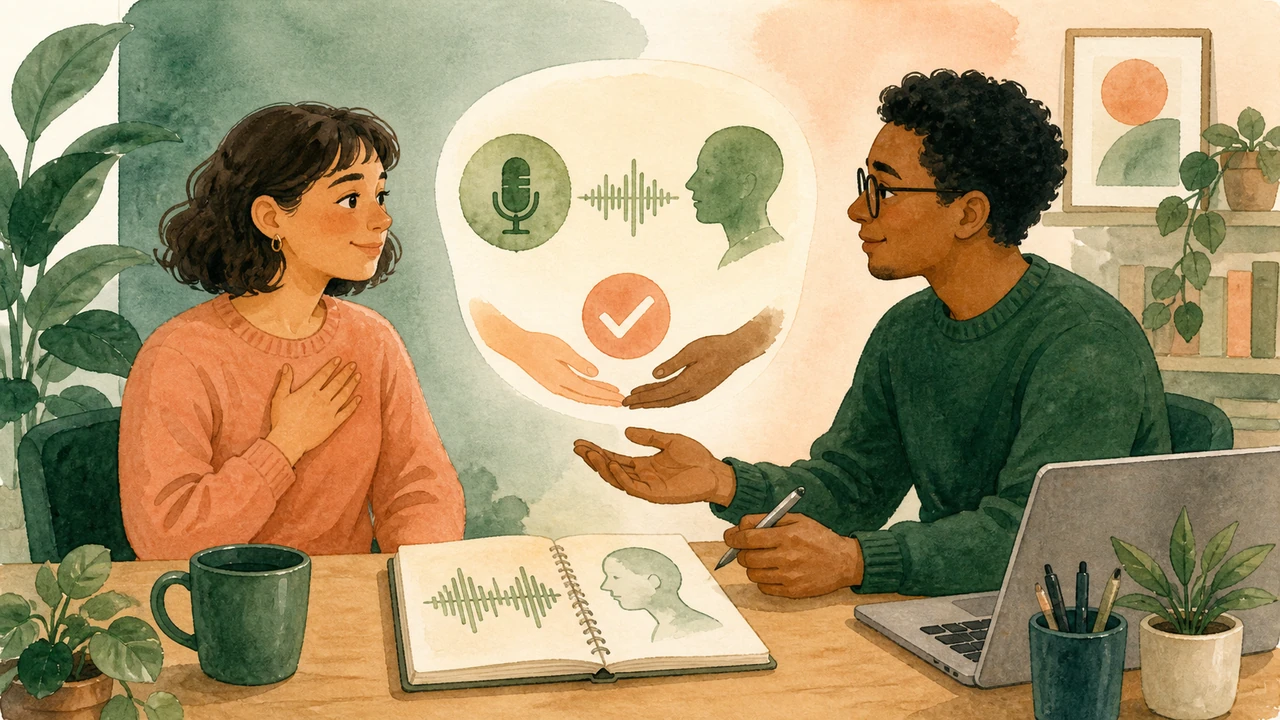
Consent is more than receiving access to an audio file. It is an informed agreement from the person whose voice will be modeled, covering what will be created, who may use it, where it may appear, and how long the arrangement will last.
A responsible consent process should be specific enough that the voice owner understands the practical implications. For example, consent for an internal training module does not automatically mean consent for paid advertising, social media promotion, political messaging, customer support, or third-party distribution.
Before collecting recordings or generating audio, clarify the following:
- Who owns or controls the source recordings.
- Whether the speaker has agreed to voice model creation.
- The approved use cases, channels, audiences, and territories.
- Whether the clone may be used for commercial work, internal work, or both.
- Whether the voice may be used alongside edited video, animation, or other synthetic media.
- Whether another person can operate the clone on the speaker’s behalf.
- Whether the voice owner may review scripts or final outputs.
- How the arrangement can be paused, changed, or ended.
- What happens to recordings, generated audio, and model access when a project ends.
Written records are useful because they create a shared reference point when teams, vendors, and project scopes change. Organizations should also consider their own legal, privacy, employment, and intellectual-property obligations before launching a voice cloning initiative.
Consent should be ongoing, not assumed
A voice owner may be comfortable with one kind of content and uncomfortable with another. New contexts can change the meaning or perceived endorsement of a message. Treat consent as an ongoing process, especially when a project expands into new formats, new markets, new audiences, or new subject areas.
A practical approach is to define a review point for material changes. If the intended use moves beyond the original agreement, pause and seek renewed approval rather than assuming the first authorization covers everything.
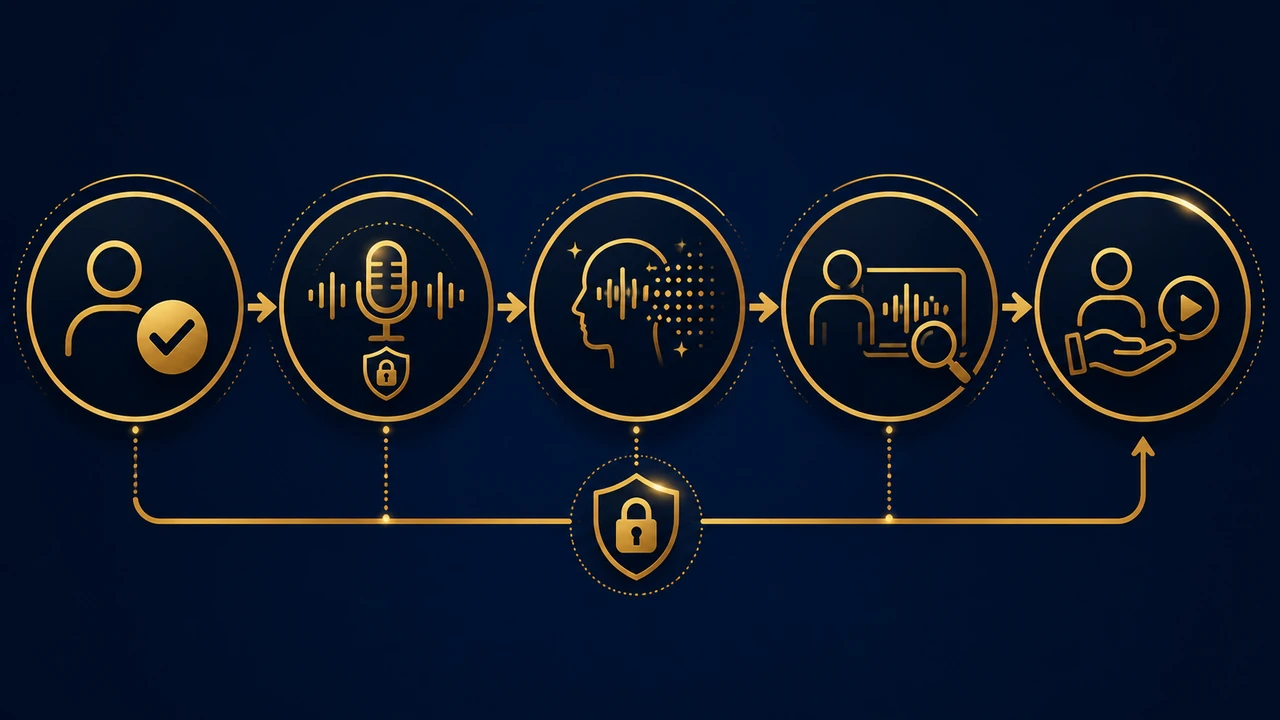
A responsible AI voice cloning workflow
The following AI voice cloning how-to workflow centers people, permissions, and quality control alongside production needs.
1. Define the purpose before choosing a voice
Start with the communication goal. Are you creating narration for a training course, updating a product tutorial, producing accessible versions of written content, or developing a recurring character voice for a fictional project?
Define the audience, channel, expected publishing cadence, and the kind of content the voice will deliver. This helps determine whether a custom clone is appropriate at all. In some cases, a licensed stock voice or a non-identifiable synthetic voice may better match the project’s needs and reduce the risk of listener confusion.
2. Confirm rights and document consent
Do not rely on informal assumptions, old recordings, or public availability of someone’s speech. A voice being audible in an interview, video, podcast, or public event does not mean it is available for cloning.
Create a clear approval record that covers recordings, model creation, generated audio, project duration, and permitted uses. If the work involves a client, employee, contractor, performer, or partner, make sure the relevant stakeholders understand their responsibilities before production begins.
3. Collect recordings appropriately
Use recordings that the speaker has authorized for this purpose. Explain how recordings will be stored, who can access them, and whether they will be shared with outside providers.
Plan the recording session around the desired use case. A voice intended for calm instructional narration may need different sample material than one intended for energetic short-form videos. Keep the recording process respectful and transparent, and avoid collecting more personal voice data than the project requires.
4. Set access controls
A voice model should not be accessible to every person in an organization by default. Limit access to the people who need it for approved work. Use role-based permissions where available, remove former collaborators when projects end, and keep track of who can generate or download audio.
Teams should also establish a process for reporting mistakes, suspicious requests, or possible misuse. Clear escalation paths make it easier to pause distribution when necessary.
5. Prepare scripts with context in mind
Write for listening, not only reading. Spoken scripts usually benefit from shorter sentences, natural transitions, clear name pronunciation guidance, and intentional pauses.
Just as importantly, review what the script implies. Do not use a clone to create statements the voice owner would not reasonably expect to be associated with. Avoid presenting synthetic audio as spontaneous, live, or personally recorded when that would mislead the audience.
6. Generate, listen, and revise
Generate a draft and assess it as an editor would assess any narration. Listen for unclear pronunciation, uneven pacing, unexpected emphasis, awkward phrasing, and passages that may sound misleading in context.
If the voice owner has approval rights, build their review into the production schedule. It is easier to revise a script before distribution than to correct an asset after it has been shared across channels.
7. Disclose synthetic audio when appropriate
Disclosure can help audiences understand what they are hearing, particularly when a synthetic voice closely resembles a recognizable person or is used in a context where authenticity matters.
The right disclosure depends on the format and audience. It may be included in an introduction, production note, caption, description, or other contextually appropriate location. The goal is not to add unnecessary friction; it is to avoid avoidable confusion about whether the speaker personally recorded the message.
8. Monitor and retire responsibly
After publishing, keep an inventory of where cloned audio is used. This makes it easier to update, remove, or replace assets if consent changes, a campaign ends, or a voice owner requests a new limitation.
Have a retirement process for recordings, generated files, and access to the voice model. Responsible use includes knowing how to stop using a voice, not only how to start.
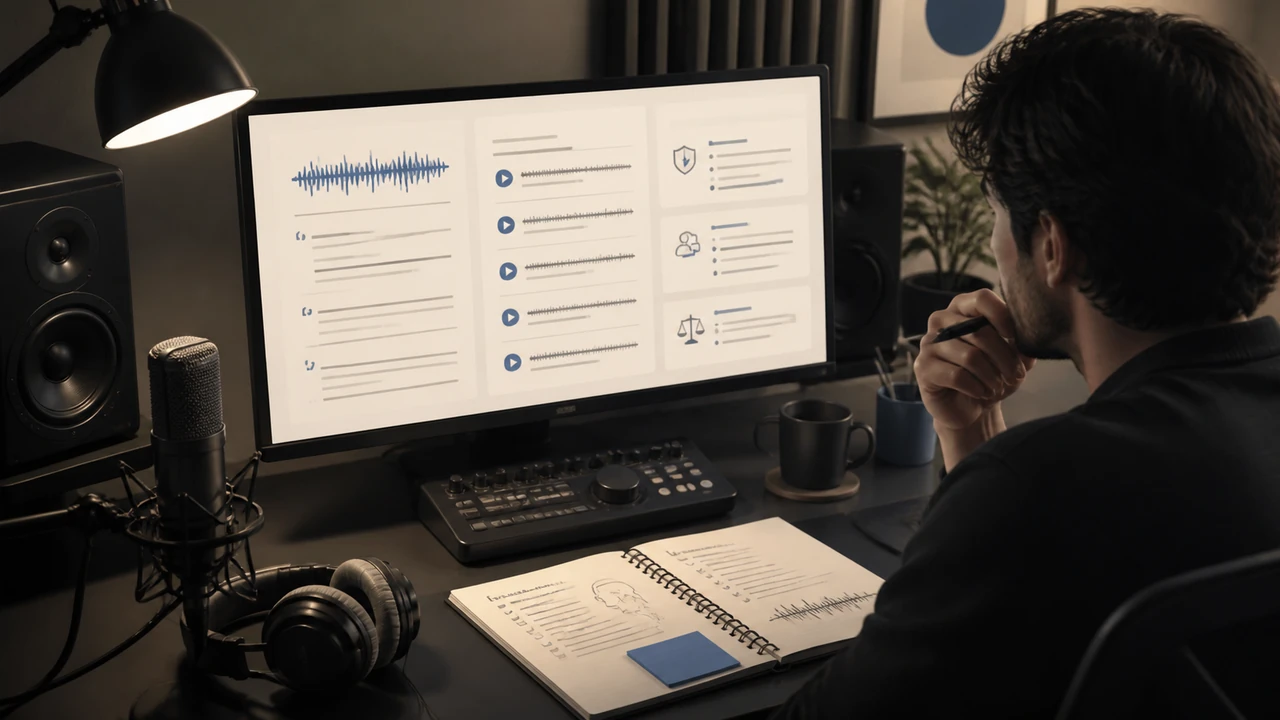
Common use cases for consent-led synthetic speech
When the right permissions and review processes are in place, voice cloning may support a range of production workflows.
Educational and training content
A speaker may authorize a clone for updates to instructional modules, onboarding materials, or recurring lessons. This can help maintain a consistent narration style when content needs periodic revisions. The scope should state whether the voice is approved for all learning materials or only for named courses and topics.
Accessible audio versions of written content
Teams may create audio versions of articles, guides, and documents for people who prefer listening or need an alternative way to engage with content. A synthetic narrator can support this format, but accessibility still requires attention to structure, clarity, captions where relevant, and an experience that works for the intended audience.
Brand and character voices
Some organizations develop an original voice identity for a fictional character or recurring brand experience. This can be a useful option when the goal is consistency without implying that the voice belongs to a real public figure or employee.
If a character voice is based on a performer, define whether the performer’s consent covers only a specific role, whether the character can be used in new campaigns, and whether the generated voice may appear outside the original project.
Localization and content adaptation
Synthetic speech may be part of a broader localization workflow, such as adapting approved scripts for additional audiences. However, translation, cultural review, pronunciation, and audience expectations still need human attention. A voice that sounds appropriate in one language may not produce the same result in another.
What not to do with AI voice cloning
Responsible use also means recognizing situations where voice cloning is not appropriate.
Do not clone a person’s voice without their permission, even if recordings are easy to find online. Do not use a clone to impersonate someone in a way that could deceive listeners, bypass identity checks, create false evidence, pressure others, or misrepresent a person’s views.
Avoid using a recognizable voice to imply endorsement of products, services, organizations, or ideas without explicit authorization. Be especially careful with content involving health, finance, legal matters, emergencies, political issues, public safety, or personal relationships, where listeners may make consequential decisions based on perceived authenticity.
It is also wise to avoid making a cloned voice the only safeguard in a high-stakes communication process. If a message requires identity verification, use appropriate security procedures rather than assuming that a familiar-sounding voice establishes who is speaking. Understanding how to tell if a voice is AI can help teams decide when clearer disclosure or additional verification is warranted.
Questions to ask before publishing
Before releasing synthetic speech, use a final review checklist:
- Do we have documented permission from the voice owner?
- Does this use match the agreed purpose and distribution channels?
- Could listeners mistake this audio for a live or personally recorded statement?
- Is disclosure needed to provide fair context?
- Has someone reviewed the script for claims, tone, and unintended implications?
- Has someone listened to the final audio for pronunciation and accuracy?
- Are recordings and model access protected from unauthorized use?
- Do we know how to remove or update the asset if needed?
If the answer to any of these questions is unclear, pause publication until the team can resolve it.
Choosing a workflow for your project
The best workflow depends on your goals, resources, and approval requirements. Some projects may need an original synthetic voice rather than a clone. Others may benefit from working directly with a voice owner who wants a controlled way to extend approved narration across recurring materials.
When evaluating tools, focus on the controls that matter to your organization: consent procedures, account access, output review, project documentation, data handling, and the ability to manage voice assets over time. A platform can support production, but the people using it remain responsible for the context and consequences of what is published. Teams comparing providers can use AI voice cloning services to weigh voice controls, consent tooling, and workflow support before choosing a platform.
For teams exploring a consent-led voice workflow, Typecast’s voice cloning is a relevant next step for reviewing available options and considering how cloned voice assets may fit into a broader content process.
Final perspective

AI voice cloning can make spoken content easier to update, adapt, and produce, but convenience should never replace consent. A voice is closely tied to identity, trust, and personal expression. The most durable voice cloning practices begin with clear permission, stay within agreed boundaries, provide context for audiences, and maintain human oversight from recording through publication.
Use synthetic speech to support communication, not to obscure who is speaking or what has been authorized. When teams build those safeguards into the workflow from the start, they can explore voice technology with greater care and clarity.