Generate natural AI robot voices

700+ exclusive voices from real voice actors. Find the perfect voice for any project.

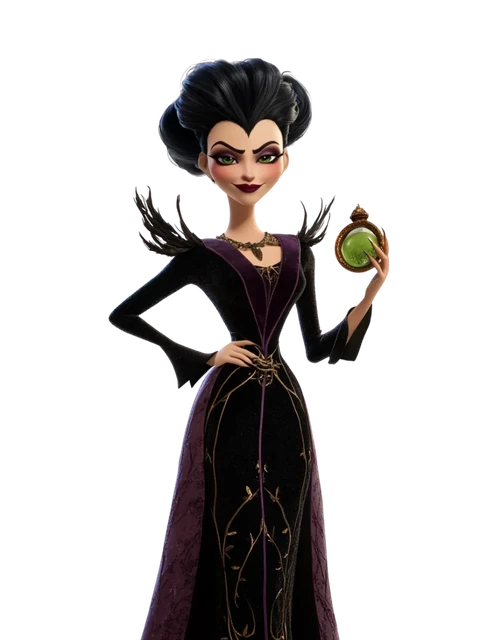
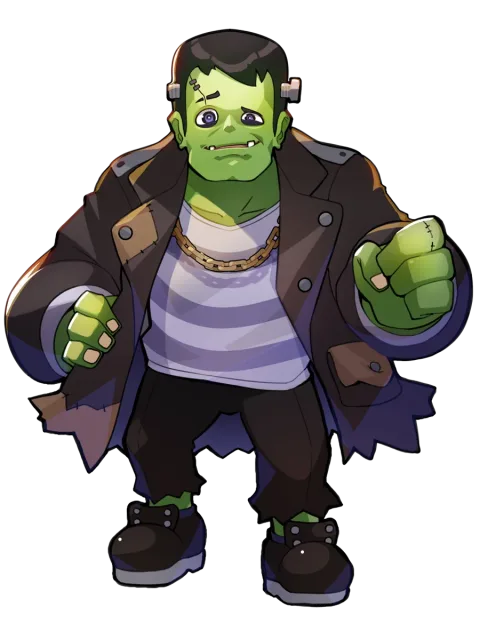
Neoguard

Neoguard

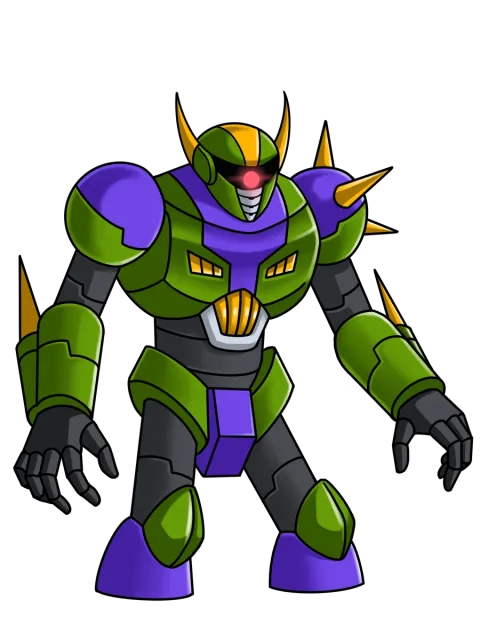
A booming, larger-than-life voice for a robot antagonist

#deep #pulsing #intimidating
Use voice
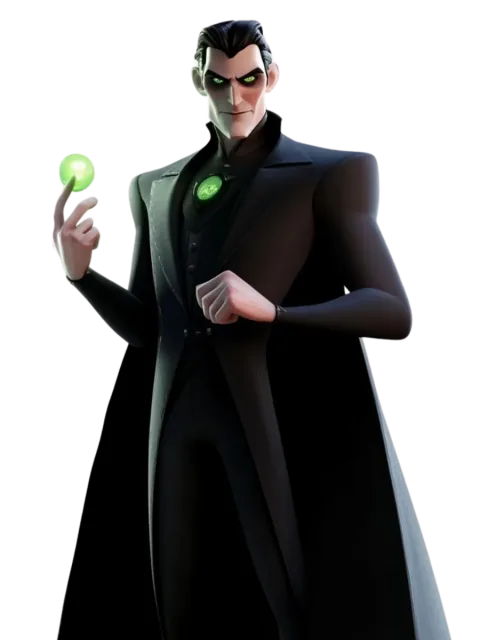
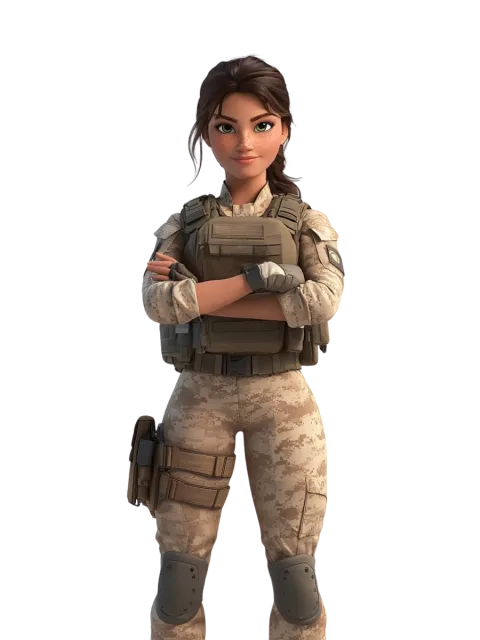
P-0150N

P-0150N

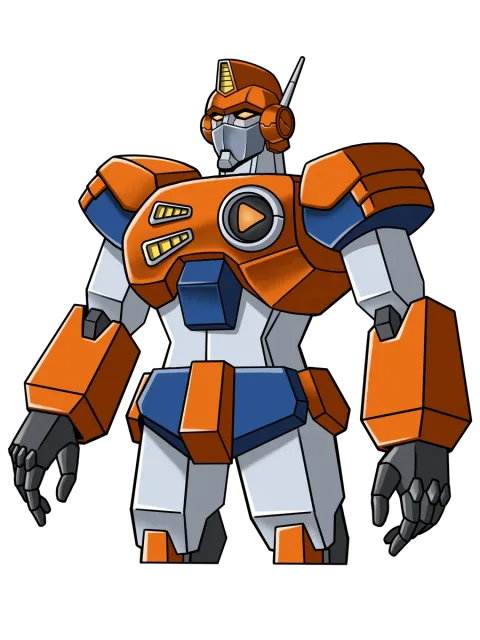
A straightforward robot with a thin and resonating voice

#nasal #synthetic #meticulous

Use voice
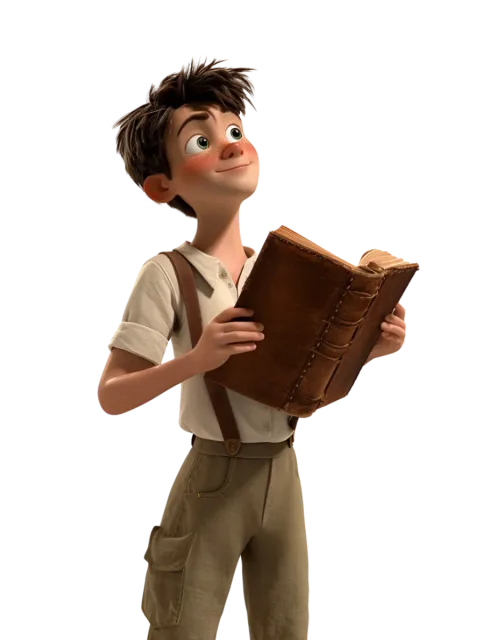
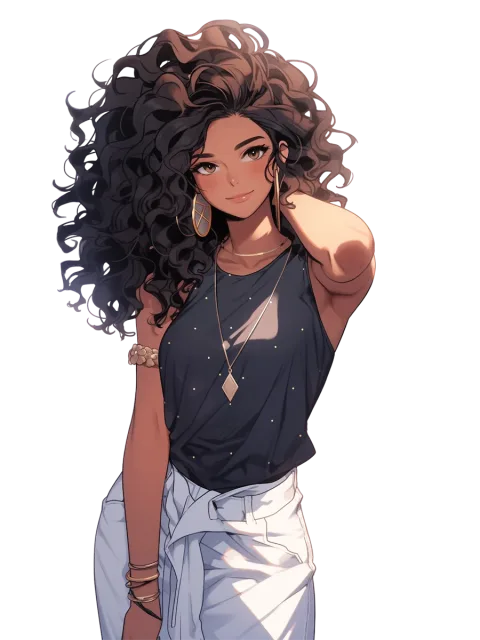
Xavier

Xavier

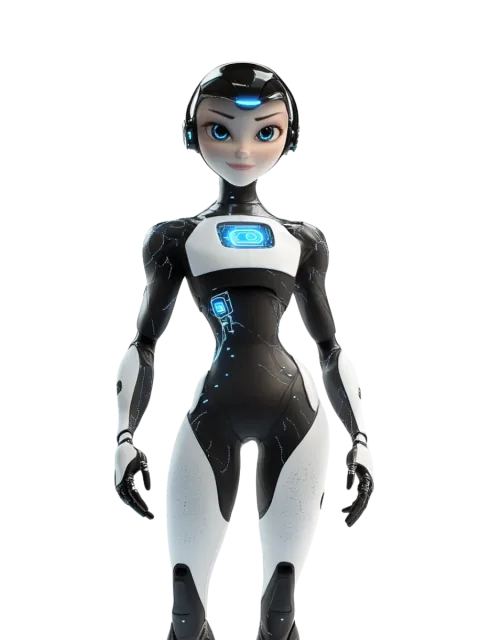
A mechanical, monotone voice reminiscent of early tech

#stilted #retro #artificial
Use voice
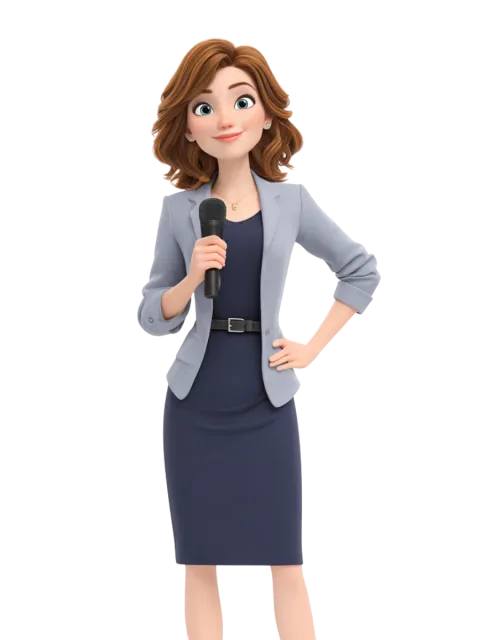
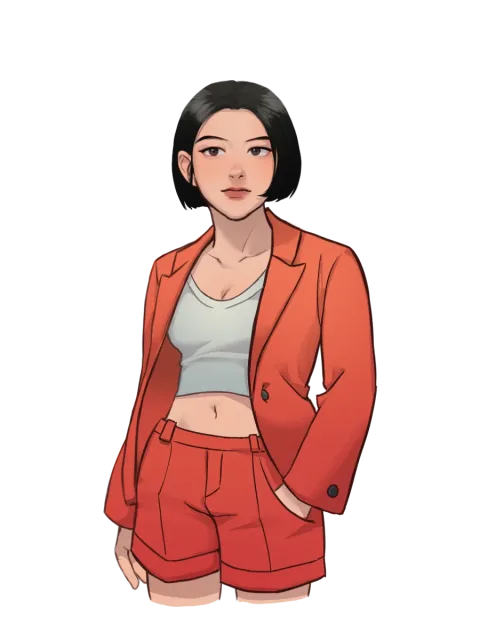
Echo

Echo

A fluid, bright voice perfect for any modern voice assistant

#natural #chipper #supportive

Use voice

Script to audio in just a few steps

  1. Start your project

    Step 1

    Start your project

    Open "Text-to-Speech" and create a new project.
  2. Select a voice

    Step 2

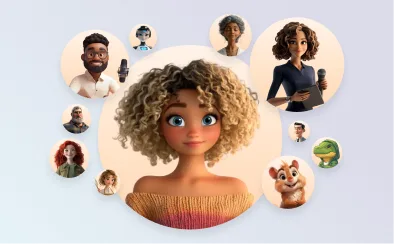
    Select a voice

    Filter by age, gender, language, and style to find the right match.
  3. Write your script

    Step 3

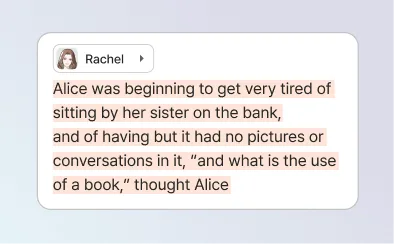
    Write your script

    Type, paste, or import your script in any language.
  4. Get the expression just right

    Step 4

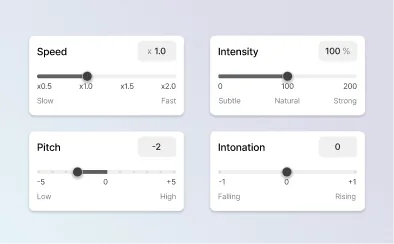
    Get the expression just right

    Adjust tone, pace, and emotion using manual controls or AI.
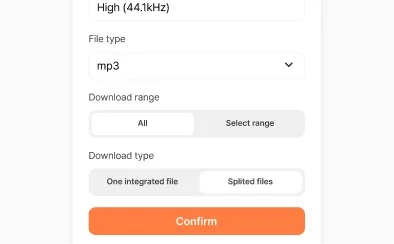
  5. Export and share

    Step 5

    Export and share

    Download your finished audio and use it anywhere.

FAQ

What is an AI robot voice generator?
An AI robot voice generator produces synthetic, mechanized speech for sci-fi characters, virtual assistants, game AI companions, interactive installations, and tech content. Robot voices range from classic monotone android delivery to more sophisticated AI-assistant styles with subtle warmth. They're used in film and game production, YouTube content, coding tutorials, and any context where a non-human vocal persona fits the concept.
How do I make a robot voice with AI?
To create a robot voice with AI, use a text-to-speech (TTS) platform like Typecast. Write a script, select a robotic voice, and adjust pitch, speed, and tone to achieve the desired mechanical effect. Once satisfied, export the audio for use in your animation, game, or digital project. TTS platforms allow you to easily create unique AI robot voices for various applications.
What are AI robot voices used for?
AI robot voices are used in content, games, and apps to create unique, mechanical or futuristic sound effects. In gaming, they enhance NPC dialogue, character voices, and interactive experiences. In apps, they can provide accessibility features like navigation or alerts in a robotic tone. AI robot voices are also popular in animations, ads, and virtual assistants, offering a distinctive, futuristic element for various digital applications.
What are the best AI robot voice styles?
The best AI robot voice style depends on your project. For gaming, select robotic voices with clear articulation and dynamic pitch for character differentiation. In apps and virtual assistants, choose neutral, clear voices for functionality. For animations or sci-fi, go for dramatic, mechanical tones. Consider tone, pacing, and clarity to match your audience. Platforms like Typecast offer a wide range of robot voice styles tailored to your needs.
What makes an AI voice sound robotic or synthetic?
An AI voice sounds robotic or synthetic when it lacks natural inflections, emotion, and fluidity in speech patterns. Factors such as a monotonous tone, unnatural pacing, and limited variation in pitch can make the voice sound mechanical.
How natural do AI robot voices sound?
AI robot voices have greatly improved, sounding more natural than ever thanks to advances in text-to-speech (TTS) technology. However, some robot voices are intentionally artificial or stylized for creative or thematic purposes, such as in sci-fi games or futuristic content. While most AI robot voices now offer smoother, more dynamic speech with adjustable tone and pacing, they may still lack emotional depth and spontaneity.
What are limitations of AI robot voice generators?
AI robot voice generators may struggle to convey nuanced emotion, express true spontaneity, and maintain a natural rhythm in complex conversations. Additionally, platform limitations can restrict voice variety and customization, making them less suitable for intricate or highly creative dialogue. However, AI robot voices excel at structured, repetitive speech and are well-suited for scalable projects.

Your perfect voice is waiting

Find your voice