





Research has always been a time-consuming process, but the rise of AI research tools has completely transformed how students, academics, and professionals approach their work. From scanning hundreds of journal articles in minutes to extracting insights from complex datasets, these artificial intelligence research platforms are reshaping the way we gather, analyze, and apply information.
Whether you’re a graduate student working on a thesis, a data scientist crunching numbers, or a content creator searching for reliable sources, the right tool can save you hours of manual effort.
In this guide, we’ll explore the best AI-powered research tools available today and how they can elevate your workflow.
Why researchers are turning to AI

The sheer volume of information published every day makes traditional research methods increasingly impractical. According to a report from the National Science Foundation, “Global scientific output doubles approximately every nine years,” making it nearly impossible for individuals to keep up without help.
That’s where AI research tools come in. They use natural language processing, machine learning, and semantic search to help users find, summarize, and synthesize information faster than ever before.
Key benefits of using AI in research
- Speed: Process thousands of documents in seconds
- Accuracy: Reduce human error in data extraction
- Accessibility: Simplify complex academic language
- Organization: Automatically categorize and cite sources
- Insight generation: Spot patterns humans might miss
Top AI academic tools for students and scholars
If you’re in academia, these AI academic tools are designed specifically to help you navigate scholarly literature, generate citations, and develop stronger arguments.
Elicit
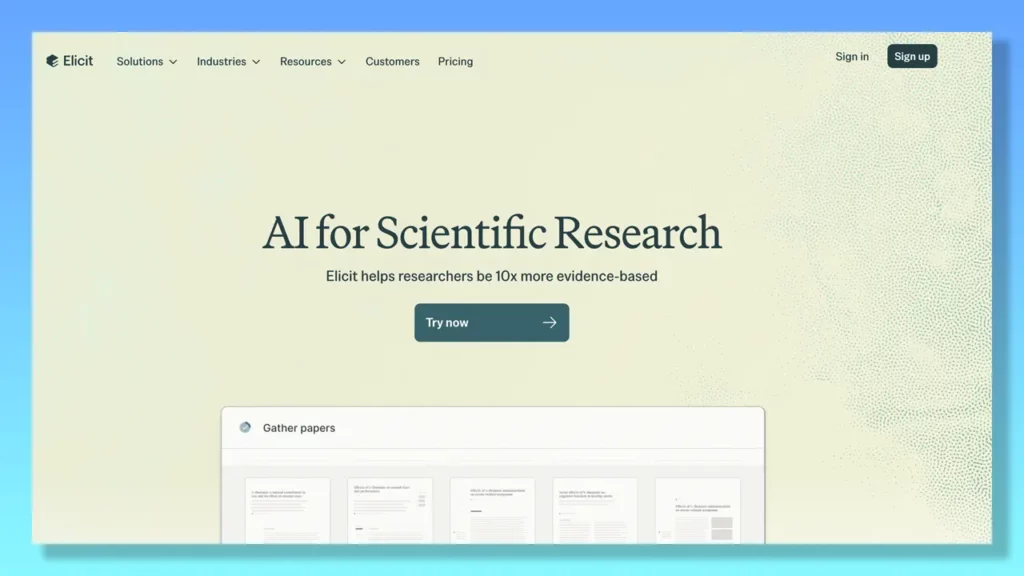
Elicit is one of the most popular AI-powered academic research assistants on the market.
It allows users to ask a research question in plain English and instantly pulls relevant papers from a database of over 125 million studies.
It can also summarize findings, extract key data points, and highlight study limitations.
Consensus
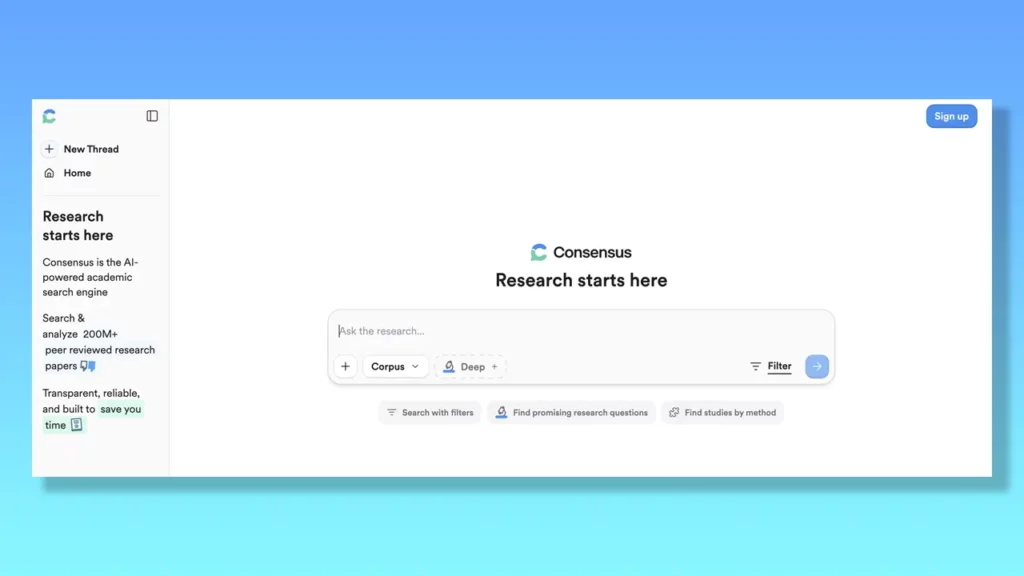
Consensus is often described as “Google for research papers.” Instead of giving you a list of links, it delivers evidence-based answers drawn directly from peer-reviewed studies.
This makes it perfect for writers and scholars who want quick, credible insights without sifting through dozens of PDFs.
Scite
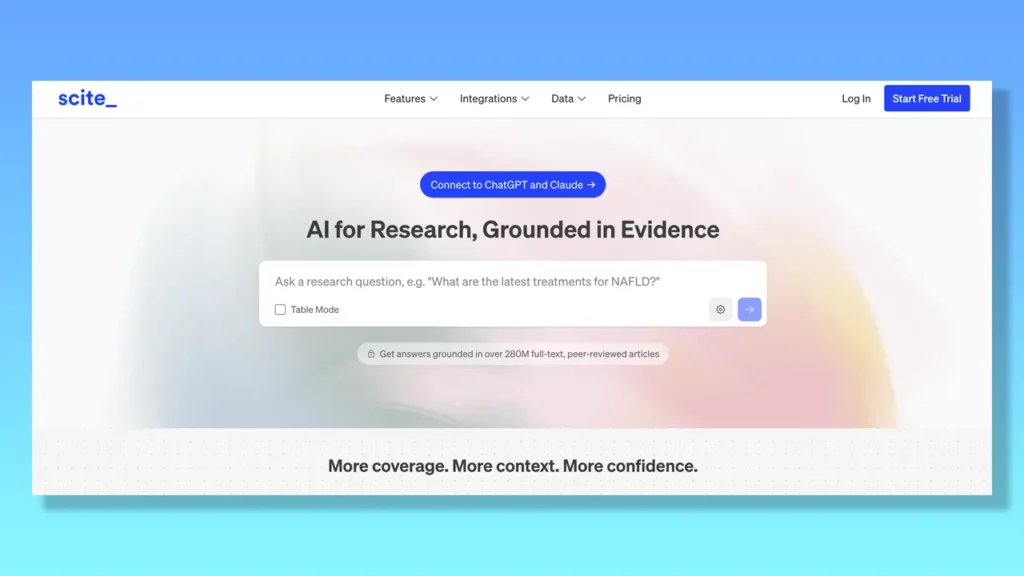
Scite goes beyond basic search by showing how a paper has been cited — whether supporting, contrasting, or merely mentioning a claim.
This context helps researchers evaluate the reliability of sources, which is a major advantage when building arguments.
Best AI tools for data research and analysis
For professionals handling large datasets, AI tools for data research can drastically reduce manual labor while improving accuracy.
These platforms are ideal for market researchers, data analysts, and business intelligence teams.
ChatGPT with Advanced Data Analysis
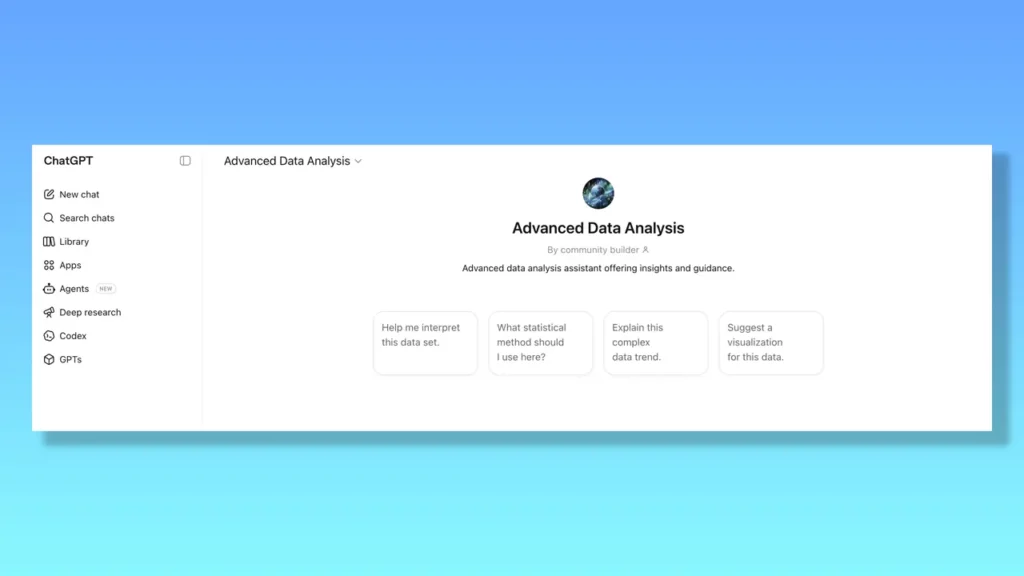
OpenAI’s ChatGPT, when paired with its data analysis capabilities, acts as a powerful assistant that can interpret spreadsheets, build charts, and run statistical calculations.
It’s especially useful for non-technical users who want to explore datasets without writing code.
Julius AI
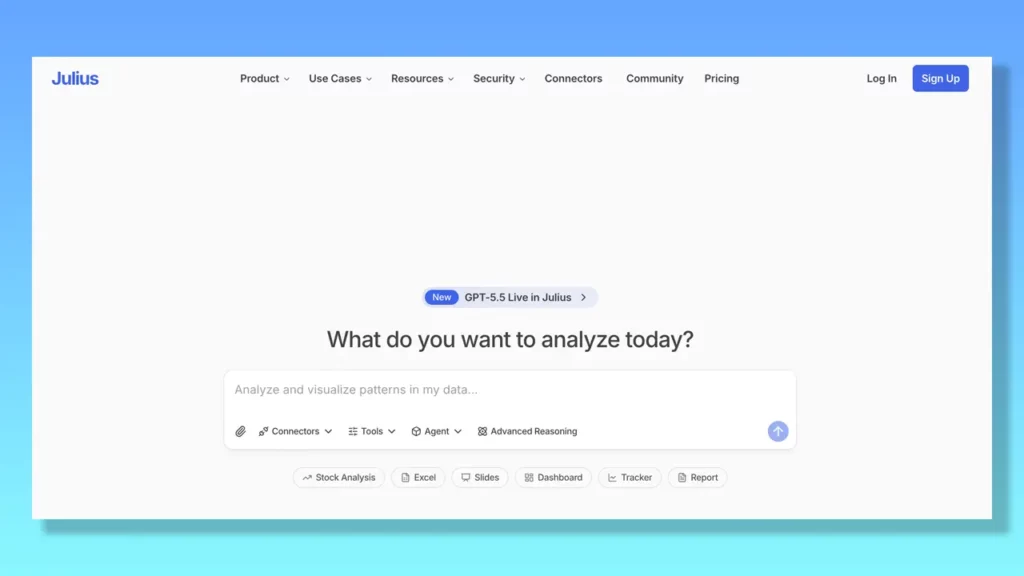
Julius AI is another standout in the space of AI data analysis tools, offering natural-language data exploration, automated visualizations, and predictive modeling.
It’s a favorite among analysts who want to move beyond traditional spreadsheets.
Perplexity AI
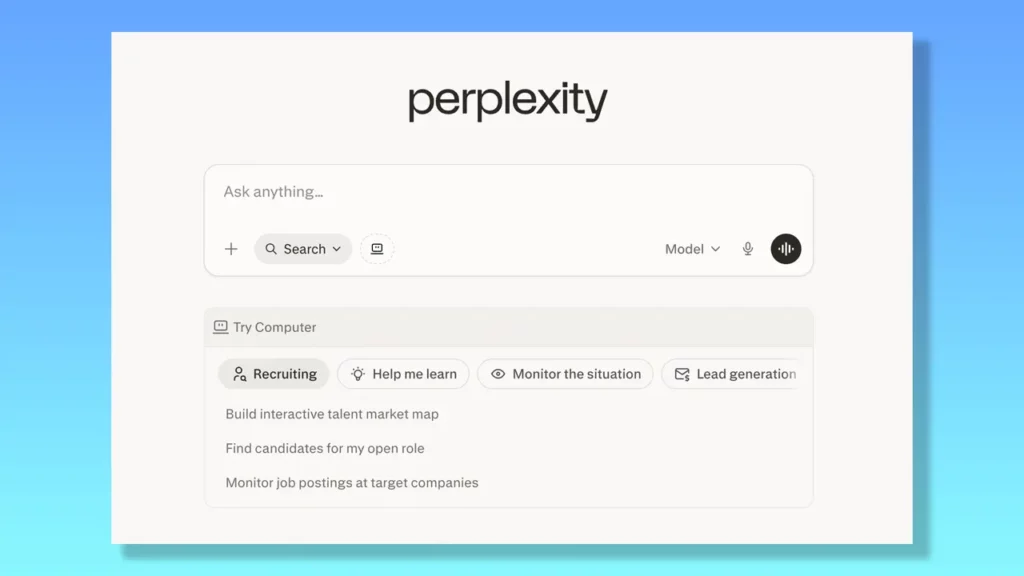
Perplexity blends search and research by citing sources in real-time. It’s perfect for fact-checking, competitive research, and exploring emerging topics.
Many users describe it as a blend of Google and ChatGPT, with a strong emphasis on transparency.
“The future of research isn’t about having more information — it’s about having smarter tools to interpret it.” — MIT Technology Review
AI writing and summarization platforms
Once your research is gathered, the next step is synthesis. These tools help you turn raw findings into readable, organized content.
ChatPDF

ChatPDF allows you to upload any PDF — such as a research paper or textbook — and chat with it as if it were a person.
You can ask it to explain difficult concepts, pull quotes, or summarize entire sections, making it a powerful AI summarizer for academic content.
Scholarcy
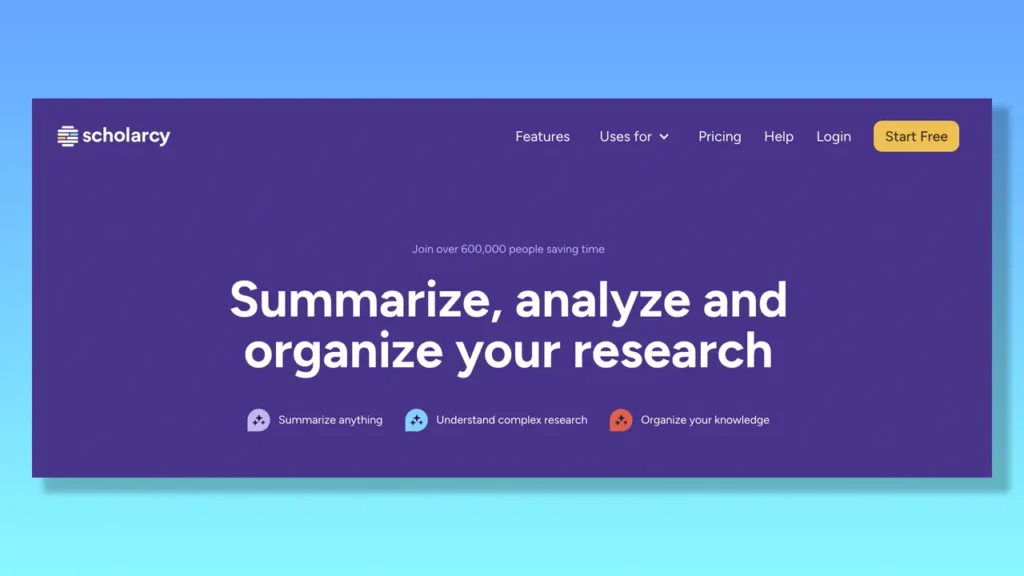
Scholarcy automatically creates summary flashcards from papers, highlighting key findings, methodology, and conclusions.
It’s ideal for literature reviews or anyone trying to digest dense material quickly.
Notion AI
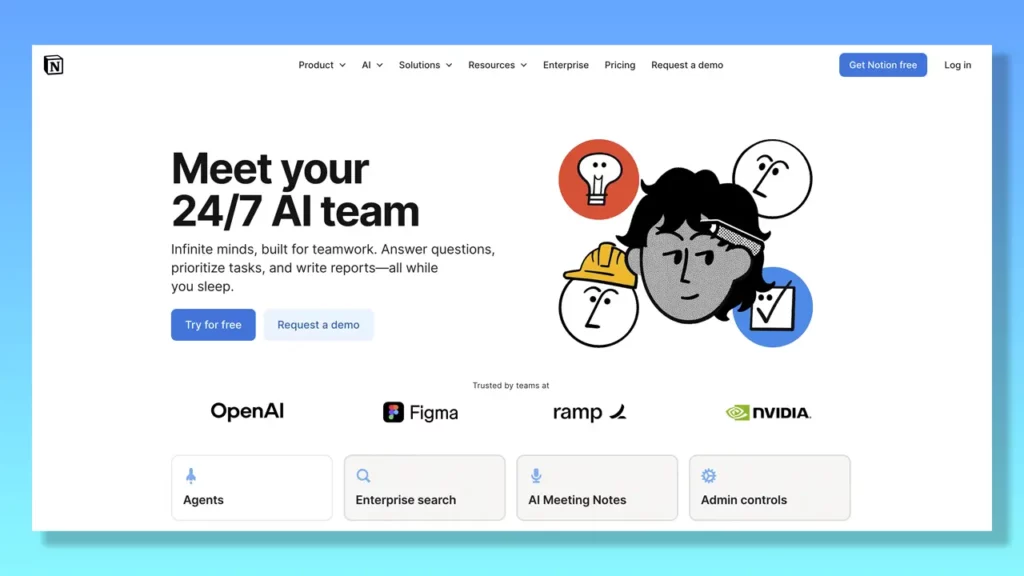
Notion AI integrates directly into your existing workspace, helping you brainstorm outlines, rewrite paragraphs, and organize notes.
For researchers juggling multiple projects, it’s a seamless way to combine writing and project management.
Multimedia and presentation tools for researchers
Research doesn’t always end on the page. Many scholars and creators need to present findings in engaging, digestible formats — and that’s where multimedia AI tools shine.
Typecast
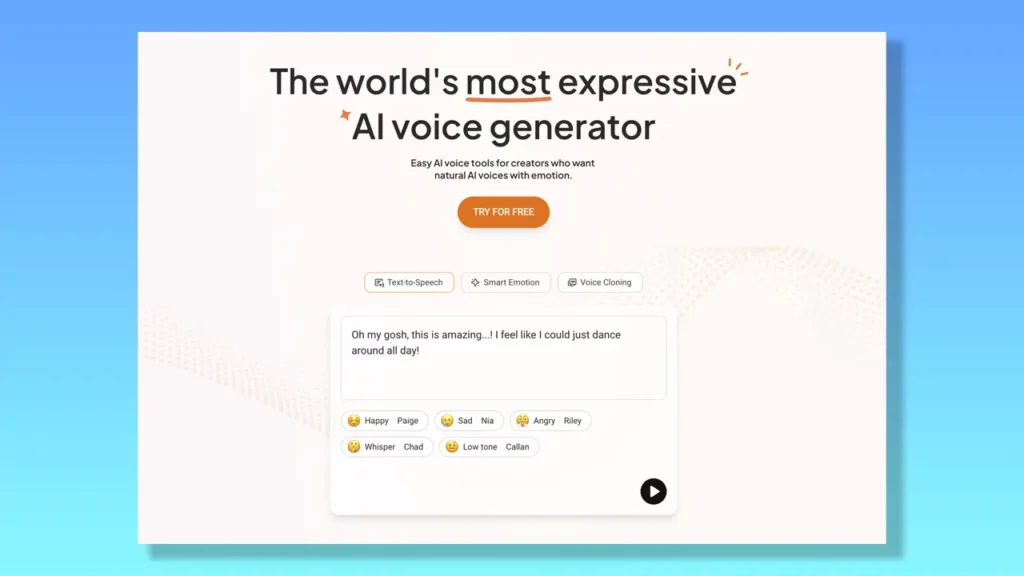
If you want to turn your research into audio presentations, podcasts, or narrated videos, AI voice generator platforms like Typecast make it easy.
You can transform written reports into professional-sounding narration in multiple languages and voices, which is especially useful for educators and content marketers.
Gamma
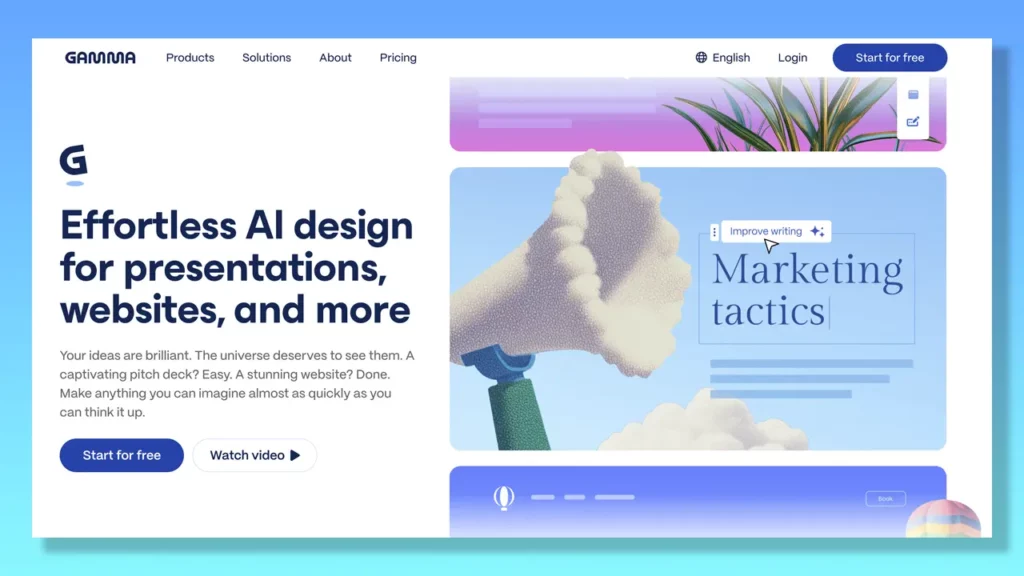
Gamma uses AI to generate polished presentations from simple prompts. Instead of spending hours designing slides, researchers can drop in their findings and instantly get a shareable deck.
Tome
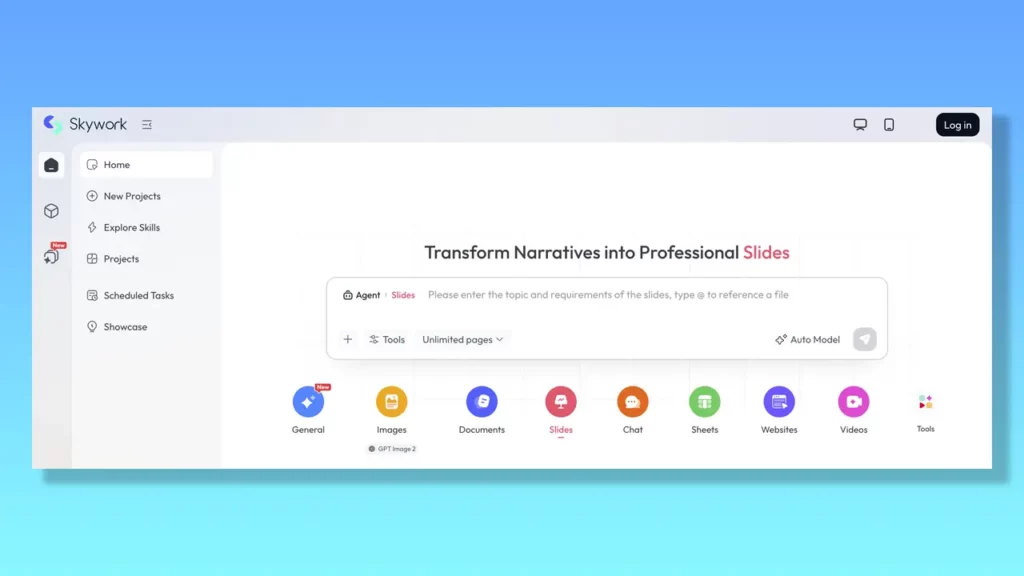
Tome is another AI-powered storytelling tool that helps turn research into visually compelling narratives. It’s great for pitching, teaching, or publishing online.
How to choose the right AI research tool
With so many options available, picking the best research AI software for your needs depends on your goals. Consider these factors:
- Purpose: Are you summarizing, analyzing, or presenting?
- Data type: Academic papers, raw datasets, or multimedia?
- Budget: Free tiers vs. premium subscriptions
- Integration: Does it fit into your current workflow?
- Accuracy: How well does it cite and verify sources?
A good approach is to combine two or three AI research tools rather than relying on a single platform. For example, you might use Elicit to find papers, Julius AI to analyze data, and Typecast to turn your results into a narrated video.
The research landscape is evolving rapidly, and those who adopt these intelligent research assistants early will have a significant edge.
Whether you’re writing your next paper, building a business case, or exploring a new field, leaning on AI-driven research platforms can help you work smarter, faster, and with greater confidence.