




Bringing animated characters to life has never been more accessible. Whether you’re an indie animator, a content creator, or a game developer, finding the right voice for your cartoon character used to mean hiring expensive voice actors or settling for robotic-sounding audio. Today, text-to-speech technology has changed everything.
A cartoon character voice generator powered by AI can produce expressive, nuanced, and surprisingly human-sounding voices in minutes. The best modern tools go far beyond simple robotic narration — they capture emotion, pacing, and personality in ways that genuinely serve storytelling.
In this guide, we’ll explore how cartoon character voice generator text-to-speech technology works, what makes a voice truly convincing, and how creators across industries are using these tools to produce professional-quality content at a fraction of traditional costs.
What makes a cartoon voice generator realistic?
Realism in AI voice generation comes down to one thing: nuance. Early text to speech systems converted text into audio using rigid phonetic rules, producing flat, monotone output that nobody would mistake for a human performer.
Modern AI voice generators are trained on thousands of hours of real human speech. They learn rhythm, emphasis, emotional inflection, and the subtle pauses that make dialogue feel natural rather than mechanical.
The role of neural text to speech
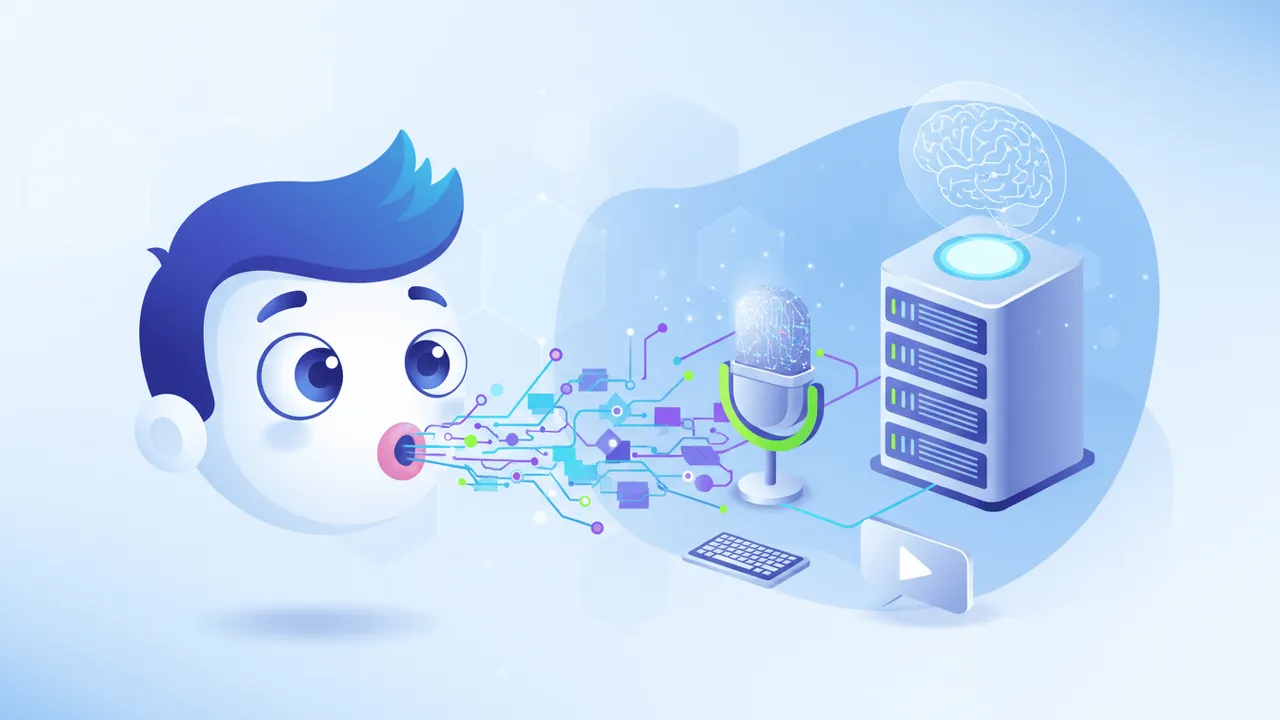
Neural TTS models use deep learning to analyze patterns in human speech far beyond simple phonetics. They capture the way a voice rises at the end of a question, softens during a tender moment, or sharpens with urgency during a chase scene.
This is what separates a truly useful cartoon character voice generator text-to-speech tool from a basic audio converter. The difference is audible within seconds of listening.
Expressiveness and character personality
A great cartoon voice isn’t just clear — it has personality. Think of the gravelly authority of a villain, the breathless excitement of a young hero, or the warm wobble of a wise elder character.
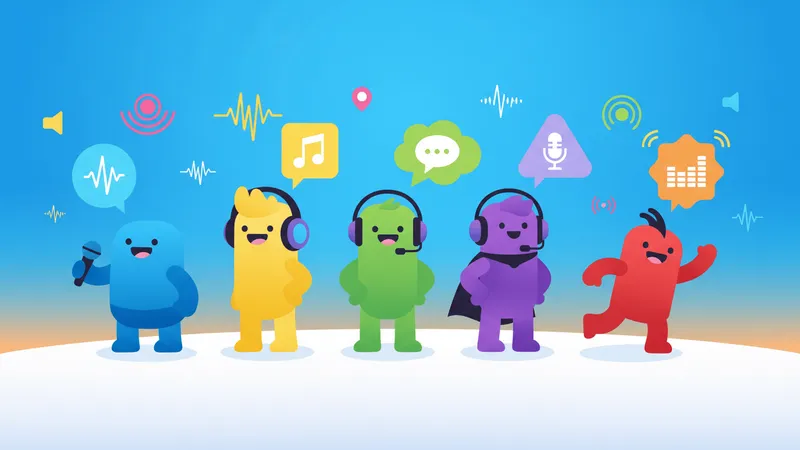
AI platforms now offer voice customization options that let creators adjust pitch, speed, tone, and emotional register. Some tools even allow you to blend voice styles to create something entirely original that fits a specific character archetype.
- Pitch control for high, squeaky characters or deep, booming ones
- Speed adjustment to match a character’s energy level
- Emotional presets like excited, sad, angry, or whimsical
- Accent and dialect options for diverse character rosters
How text to speech technology powers animated content
The workflow for producing voiced cartoon content has been completely transformed by AI. What once required a recording studio, a director, and a team of voice actors can now happen on a single laptop.
Creators write their script, select a voice that matches their character, and generate audio in real time. Revisions that used to mean re-booking studio time now take seconds.
“AI voice technology is democratizing animation. Independent creators can now produce content that sounds as polished as a major studio production.”
From script to audio in minutes
The speed advantage is enormous. A cartoon episode with twenty lines of dialogue can be fully voiced in under ten minutes using a quality cartoon character voice generator text-to-speech platform.
This makes rapid iteration possible. Creators can test different voice styles for the same character, compare options side by side, and make confident creative decisions before committing to a final audio track.
- Write your script in the platform’s editor
- Choose from a library of cartoon-optimized AI voices
- Adjust pacing and emotion for each line
- Export high-quality audio files for use in your project
- Revise instantly without re-recording
Who uses cartoon character voice generators?
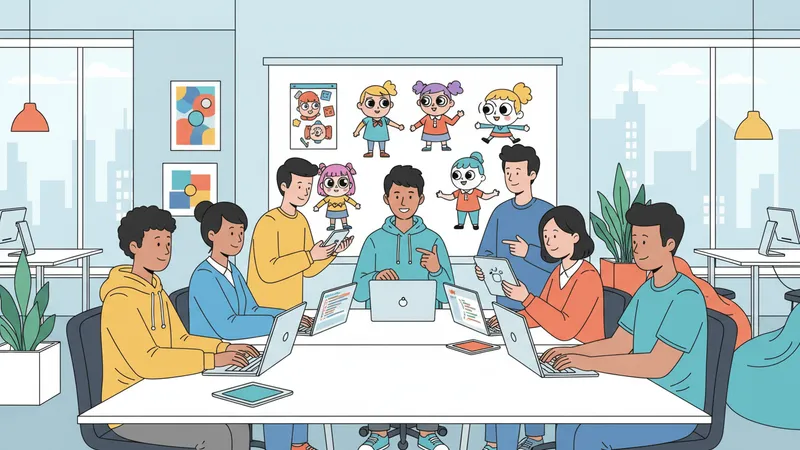
The range of creators using AI voice generation for animated content is surprisingly broad. This technology is not just for professional animation studios anymore. It is reshaping how individuals and small teams create with tools like cartoon AI voice.
Educators use cartoon AI voice to make e-learning content more engaging for children. A friendly animated character delivering a lesson is far more captivating than a plain narration track.
Content creators and YouTubers
YouTube animators and social media creators are among the most enthusiastic adopters of cartoon character voice generator text-to-speech tools. Producing consistent character voices across dozens of episodes used to be a logistical nightmare.
With AI, a creator can establish a voice profile for each character and maintain perfect consistency across an entire series — no matter how much time passes between episodes.
Game developers and app makers
Indie game developers rely heavily on AI voice generation for character dialogue. Hiring voice actors for every NPC in a game is prohibitively expensive for small studios, but silent characters feel flat and immersive-breaking.
A cartoon character voice generator bridges this gap perfectly. Developers can give every character a distinct, expressive voice without blowing their entire audio budget on a handful of major characters.
Key features to look for in a TTS cartoon voice tool
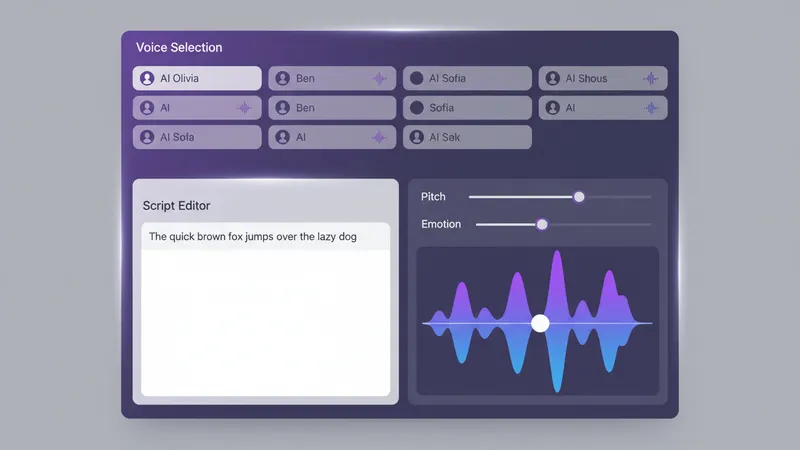
Not all AI voice generators are built equally. When choosing a cartoon character voice generator text-to-speech platform, certain features separate professional-grade tools from basic converters.
Voice variety is the first thing to evaluate. A platform with only a handful of voices will quickly feel limiting, especially when you’re building a cast of distinct characters.
Look for platforms that offer:
- A large library of character voice types (heroic, comedic, villainous, childlike, etc.)
- Fine-grained emotional and tonal controls
- Support for multiple languages and accents
- High-quality audio export formats (WAV, MP3)
- Intuitive script editing with per-line voice customization
- Real-time preview before committing to an export
Typecast stands out in this space by offering a rich library of AI voices specifically designed for character work. The platform’s interface is built with storytellers in mind, making it easy to cast, direct, and produce voiced content without technical expertise.
The ability to preview and adjust voices in real time is particularly valuable. It turns the voice selection process into something closer to actual directing — you can hear your character speak and refine the performance until it feels right.
Tips for getting the most out of AI cartoon voices
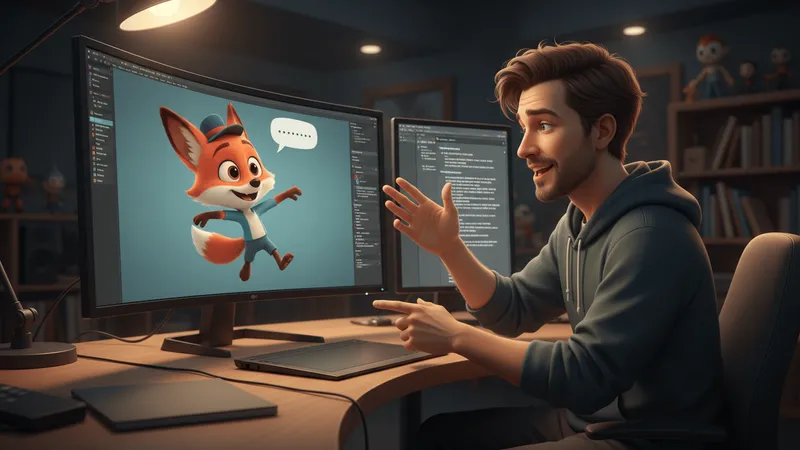
Generating a good AI voice with a cartoon AI voice generator is only half the battle. Getting a truly compelling cartoon character performance requires thoughtful direction, even when you’re working with AI.
Punctuation is your most powerful tool. Commas create natural pauses. Ellipses add hesitation. Exclamation marks push energy up. Learning how punctuation affects AI voice output dramatically improves results.
Writing for AI voice delivery
Scripts written for human actors don’t always translate directly to AI voice generation. Sentences that are too long can lose natural rhythm, while overly complex vocabulary can trip up even the best models.
Write in the way your character would actually speak. Short, punchy sentences for energetic characters. Longer, flowing sentences for calm, thoughtful ones. The script itself shapes the performance.
Directing emotion scene by scene
Don’t set one emotional tone for an entire scene and call it done. The best cartoon character voice generator text-to-speech workflows treat each line individually.
Ask yourself: what is this character feeling right now, in this specific moment? Adjust the emotional settings for each line accordingly. The result will be a performance with genuine arc and variation rather than a flat, consistent tone throughout.
Conclusion
The gap between professional animation audio and independent creator audio is closing fast. AI-powered text-to-speech technology has made it genuinely possible to produce expressive, character-driven voice performances without a recording studio or a team of voice actors.
A quality cartoon character voice generator text-to-speech platform gives creators real creative control over pitch, emotion, pacing, and personality. The result is content that sounds intentional, polished, and alive.
Whether you’re building your first animated series, developing a mobile game, or producing educational content for kids, the right AI voice tool can elevate your work in ways that were simply out of reach just a few years ago. The technology is here, it’s accessible, and it’s only getting better.