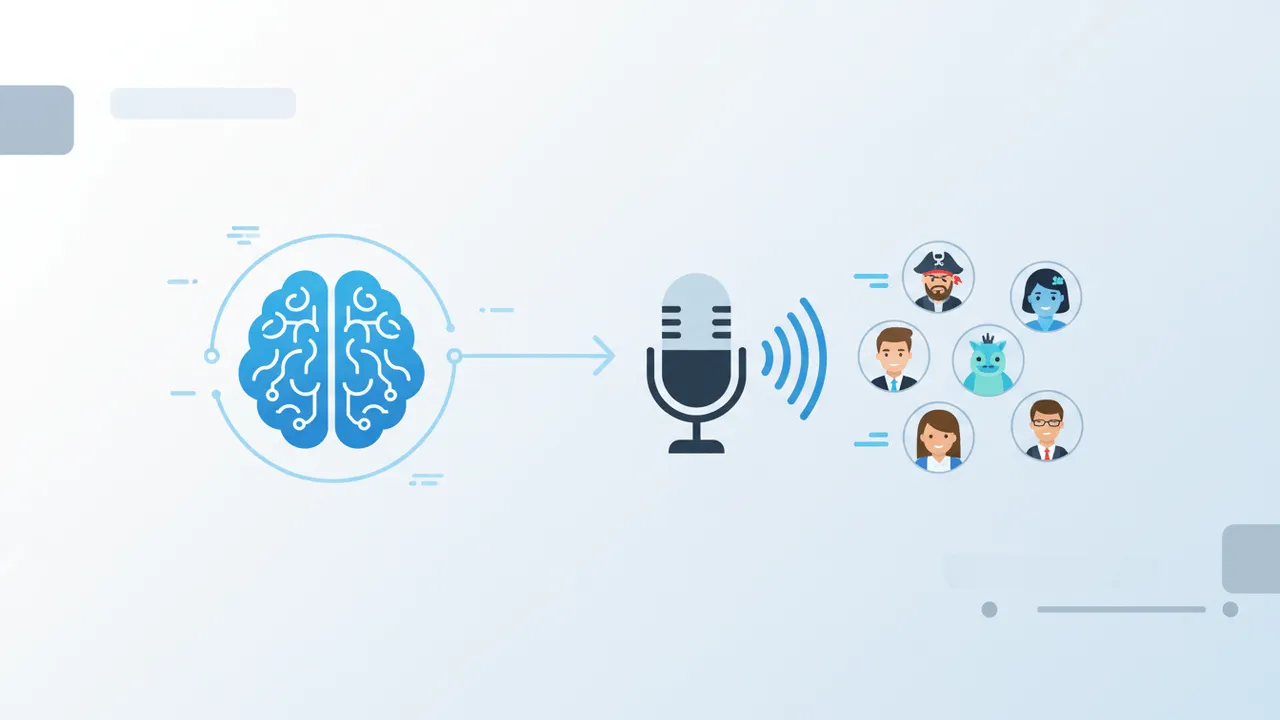




A text-to-speech chrome extension can turn selected text, articles, and supported documents into audio while you browse. For people who prefer listening, need reading support, or want to review web content away from the screen, the right tool can make Chrome easier to use without changing the way they find information online.
Browser-based reading tools are not all built for the same job. Some focus on quickly reading a current webpage aloud. Others offer controls for voice, speed, and highlighting. Separate text-to-speech platforms may be better suited to creating polished narration from a script. Understanding that distinction can help you choose a workflow that fits your needs.
What is a Chrome text-to-speech extension?
A Chrome text-to-speech extension is an add-on that uses speech technology to read digital text aloud in the browser. Depending on the extension and the page, it may read an entire article, a selected passage, or text in a supported web app.
Most browser extensions are designed for in-the-moment listening. You might open a long article, press play, and follow along as the text is spoken. This can be useful when reading on a small screen, working through a dense page, or switching between reading and another task.
A browser text reader is different from a dedicated voice-production tool. An extension generally prioritizes convenience inside Chrome. A voice platform may provide a more deliberate script-to-audio workflow, with options intended for narration, presentations, training materials, or other content that needs to be prepared before it is shared.
Why people use a read aloud Chrome extension
Text-to-speech can support different reading habits and accessibility preferences. A read aloud Chrome extension may be useful for:
- Listening to articles instead of reading every line on screen
- Following text with synchronized highlighting, when available
- Reviewing drafts or web copy by hearing how it sounds
- Supporting readers who find long blocks of text difficult to process visually
- Listening to content while taking notes or completing low-attention tasks
- Practicing comprehension or pronunciation with supported languages and voices
The value is not limited to one type of user. Some people rely on spoken output as an accessibility accommodation, while others simply use it as an alternative way to consume online information. The most suitable setup depends on the content you read, the devices you use, and how much control you need over playback.
Features to look for before installing an extension
The Chrome Web Store can make it easy to add tools quickly, but it is worth reviewing an extension before installing it. Feature lists matter, but so do permissions, compatibility, and how well the tool works with the pages you read most often.
Reading controls
At a minimum, look for clear play, pause, and stop controls. Other helpful options may include adjustable reading speed, volume, and voice selection. Speed control is especially important because a pace that works for casual listening may not work for detailed study or proofreading.
If you regularly return to longer material, check whether the tool makes it easy to resume playback or move between sections. A simple interface can be more useful than a long list of controls that are difficult to access while reading.
Text selection and highlighting
Some tools read the entire available page, while others work best when you highlight a specific passage. Consider which approach fits your habits. Selected-text reading can be useful for definitions, short excerpts, and quick reviews. Full-page reading may be more practical for articles and documentation.
Visual highlighting can also help listeners keep their place. It is not essential for everyone, but it can make a browser reading experience easier to follow when audio and text need to stay aligned.
Website and document compatibility
Webpages are structured in many different ways. Navigation menus, ads, embedded media, paywalls, forms, and dynamically loaded text can all affect what an extension detects and reads. Before depending on a tool, try it on the types of pages you use most often.
If you frequently work in online documents, webmail, learning platforms, or PDFs opened in Chrome, confirm that the extension supports those environments. Support can vary by website, browser settings, and the way a document is displayed.
Voice and language options
A voice should be understandable and comfortable enough for the length of your listening session. Available voices may come from the browser, operating system, extension provider, or another connected service. The selection can differ across devices.
For multilingual readers, language support deserves additional attention. Check whether the extension can identify the language of the text, whether you can manually choose a voice, and whether the voice matches the language you expect to hear.
Keyboard access and ease of use
Keyboard shortcuts can reduce friction when you are reading frequently or using accessibility tools. Consider whether you can start and pause playback without repeatedly opening a toolbar menu.
Also look at how easily the extension can be pinned, configured, and turned off. A tool should make browsing simpler, not create another layer of distracting controls.
Privacy and permissions
Extensions may request access to data on websites you visit in order to identify and read page content. Review the permissions listed during installation and consider whether they are appropriate for the extension’s intended function.
Before installing, read the developer information, privacy details, and recent user feedback in the Chrome Web Store. Keep your browser and extensions updated, and remove tools you no longer use. If you plan to use text-to-speech with sensitive material, be especially deliberate about what access an extension requests and how its audio processing works.

How to choose the right text-to-speech extension
Rather than searching for a single “best” option, start with your primary use case. A good extension for quick article listening may not be the best choice for proofreading, language practice, or work involving documents.
Use these questions to narrow the field:
1. What do you want read aloud? Web articles, selected text, PDFs, online documents, and emails can require different support.
2. How much voice control do you need? Decide whether basic playback is enough or whether speed, voice, and language settings are essential.
3. Will you use it across devices? A workflow that works well on a desktop may be different on a Chromebook or another device.
4. Do you need accessibility-specific controls? Look for keyboard operation, visual highlighting, and settings that are comfortable for your reading needs.
5. Are the permissions reasonable? Read the requested access carefully before adding any browser extension.
It can help to test a small number of options using the same article and the same device. Listen for clarity, see how accurately each tool handles headings and links, and notice whether the controls interrupt your reading flow.
For a student-focused use case, see our guide on how to read my essay aloud.
Browser reading versus creating voice content
A Chrome extension is often the fastest option when your goal is to hear content that is already on a webpage. It is a practical reading layer: open a page, start playback, and continue browsing.
However, a browser extension may not be the right solution when you need to create an audio asset from a prepared script. For example, a creator may need narration for a video, a team may need consistent voiceovers for training, or a marketer may need to review and produce spoken versions of campaign copy. Those use cases require a workflow that starts with the script rather than the current browser tab.
This is where it helps to distinguish browser tools from text-to-speech online. The first category is primarily about consuming web content in the moment. The second can be more appropriate when spoken audio is part of a broader content-production process.
Using Typecast in a browser-based speech workflow
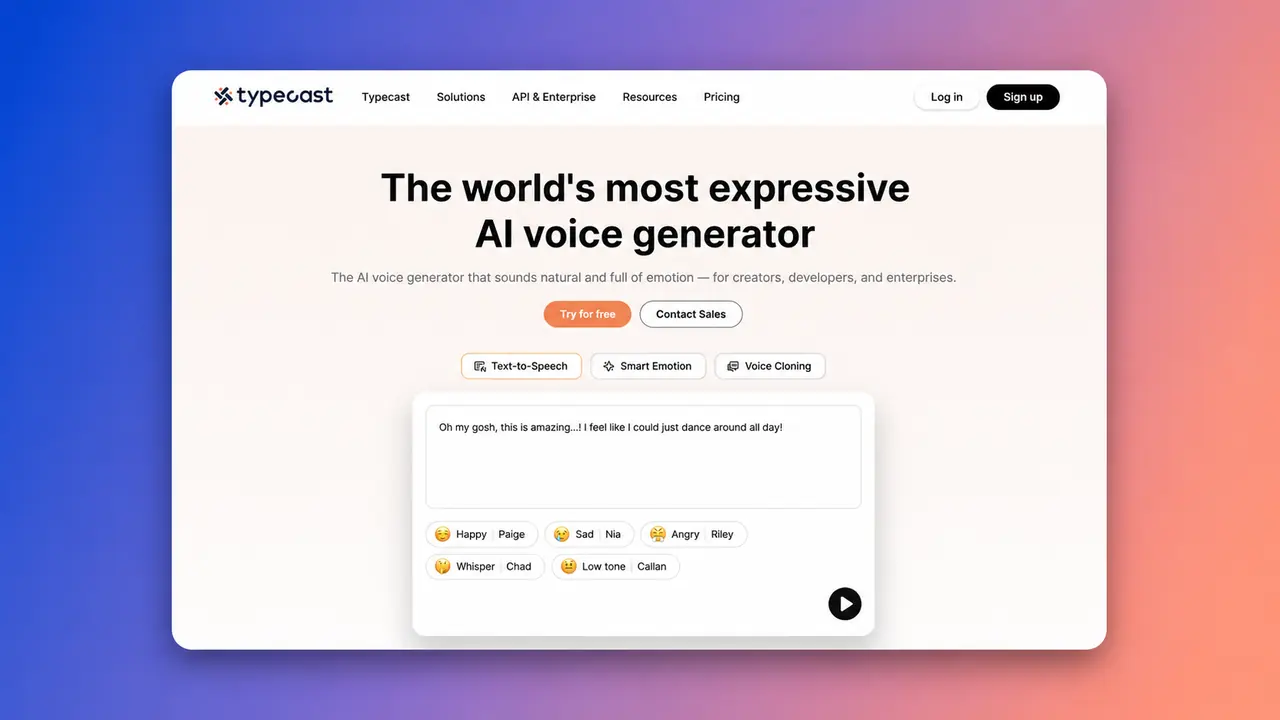
Typecast does not offer a Chrome extension. Still, it can support browser-based speech workflows when your goal goes beyond having a webpage read aloud.
For instance, you can prepare text in the browser, bring the script into Typecast, and work with it as a dedicated text-to-speech project. This approach is useful when you want to develop narration intentionally rather than listen to a page as you browse.
The distinction is important. Use a browser extension when you need immediate playback of web content. Consider a dedicated platform when you are preparing voice content from a script and need a more focused production workflow. In many cases, these tools can complement each other: one helps you listen while researching, and the other supports voice creation after the script is ready.
Setup tips for a smoother listening experience
Once you choose an extension, a few simple adjustments can make it more useful day to day.
Start with a comfortable speed
Begin near a natural conversational pace, then increase or decrease it based on the material. Technical content, unfamiliar names, and detailed instructions may be easier to understand at a slower speed than casual articles.
Test pages with different layouts
Try the extension on a news article, a long-form guide, a document, and a page with navigation-heavy content. This will show you where it performs well and when you may need to select text manually.
Reduce distractions before playback
Reader modes, simplified page views, or closing unnecessary tabs may make it easier to focus. A cleaner page can also help some extensions identify the main content more reliably.
Keep accessibility preferences central
If you use text-to-speech for accessibility, prioritize the controls that matter most to you over novelty features. Reliable playback, accessible keyboard operation, and understandable voices are often more valuable than a complex interface.
Common questions about Chrome text-to-speech tools
Can a text-to-speech extension read every webpage?
Not always. A page’s structure, embedded content, access restrictions, and dynamic elements can affect what an extension can identify and read. Testing the tool on your usual sites is the most practical way to assess compatibility.
Do Chrome extensions work with PDFs?
Some may work with PDFs viewed in Chrome, but support can vary based on the document and the extension. If PDFs are central to your workflow, test several files before relying on one tool.
Is a browser extension the same as text-to-speech software?
No. A browser extension is usually designed to read text within Chrome. Text-to-speech software can refer more broadly to tools that convert scripts or other text into spoken audio for listening or content creation.
What should I check before installing one?
Review the requested permissions, developer information, privacy details, update history, and user feedback. Then test whether the extension works well with the websites and reading tasks that matter to you.
The practical takeaway
The best browser text reader is the one that fits your actual reading routine. Focus first on the pages you need it to handle, the playback controls you will use, and the permissions you are comfortable granting. A simple extension may be enough for everyday articles, while a dedicated text-to-speech workflow may be a better match when you are creating narration from prepared text.
By separating read-aloud browsing from voice-content production, you can choose tools more confidently and build a listening workflow that supports accessibility, concentration, and efficient online reading.