



Knowing how to tell if a voice is AI can be useful when you are evaluating a video, voicemail, podcast clip, social post, or other recording. But listening alone rarely provides a definitive answer. AI-generated audio can sound highly natural, while real recordings may contain edits, compression artifacts, background noise, or speech patterns that seem unusual.
A more reliable approach combines careful listening with context, source verification, and respectful communication practices. The goal is not to make a snap judgment about a speaker. It is to understand what evidence is available and what remains uncertain.
Start with an important limitation: no single clue proves it
People often look for a telltale robotic tone, odd pauses, or unusual pronunciation. Those details can sometimes raise questions, but they do not prove that a recording was generated by AI.
Human speech varies widely. A person may speak with an accent, use an assistive communication device, pause frequently, sound monotone because of fatigue, or record in poor audio conditions. Meanwhile, a synthetic voice may include natural pacing, expressive delivery, and realistic breaths.
Treat listening clues as prompts for further review rather than as a verdict. If the stakes are high, such as a financial request, a workplace decision, or a public claim, rely on direct verification instead of audio impressions.
Listen for patterns, not isolated imperfections
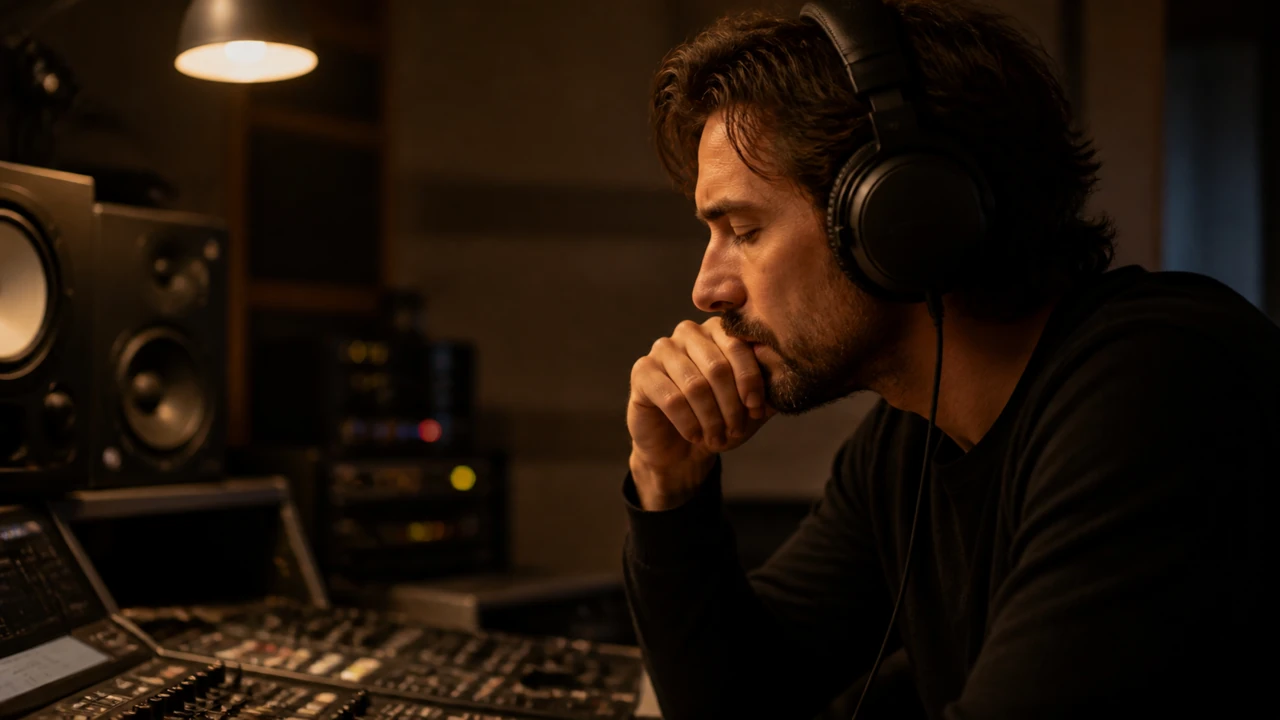
When people try to identify AI voice content, they may notice features that feel inconsistent with ordinary conversational speech. The most useful question is whether several patterns appear together and persist throughout the recording.
Pacing that does not match the message
AI-generated speech can occasionally have pacing that seems disconnected from the meaning of a sentence. For example, a voice may pause in the middle of a phrase that should stay together, rush through an important detail, or use the same cadence across emotional and factual statements.
That said, humans also pause unexpectedly. A speaker may be reading, thinking, nervous, communicating in a second language, or reacting to a delayed connection. Consider pacing alongside other evidence.
Pronunciation and emphasis that feel inconsistent
Some recordings contain mispronounced names, place names, acronyms, or specialized terms. A voice may also stress an unusual syllable or place emphasis on a word that changes the sentence’s meaning.
These issues can occur in text-to-speech output when the underlying text lacks pronunciation guidance or context. They also occur in human speech, particularly with unfamiliar words. One mispronunciation is not enough to classify a clip as synthetic.
Repeated delivery patterns
Listen for repeated rhythms, similar sentence endings, or identical-sounding emotional cues. In some AI-generated audio, laughter, breaths, hesitations, or emphasis may sound unusually consistent from one instance to the next.
Repetition can be more informative when you compare several clips that appear to come from the same source. A single short clip may not provide enough material for a meaningful comparison.
Abrupt shifts in tone or audio quality
A recording may contain changes in vocal tone, room sound, background noise, or microphone quality. These shifts can indicate edits, stitched-together recordings, or a change in source material.
However, editing is not the same as AI generation. News clips, interviews, podcasts, and personal videos are commonly edited for length and clarity. A quality change tells you to investigate the recording’s history, not necessarily that the voice itself is artificial.
Check the source before analyzing the sound
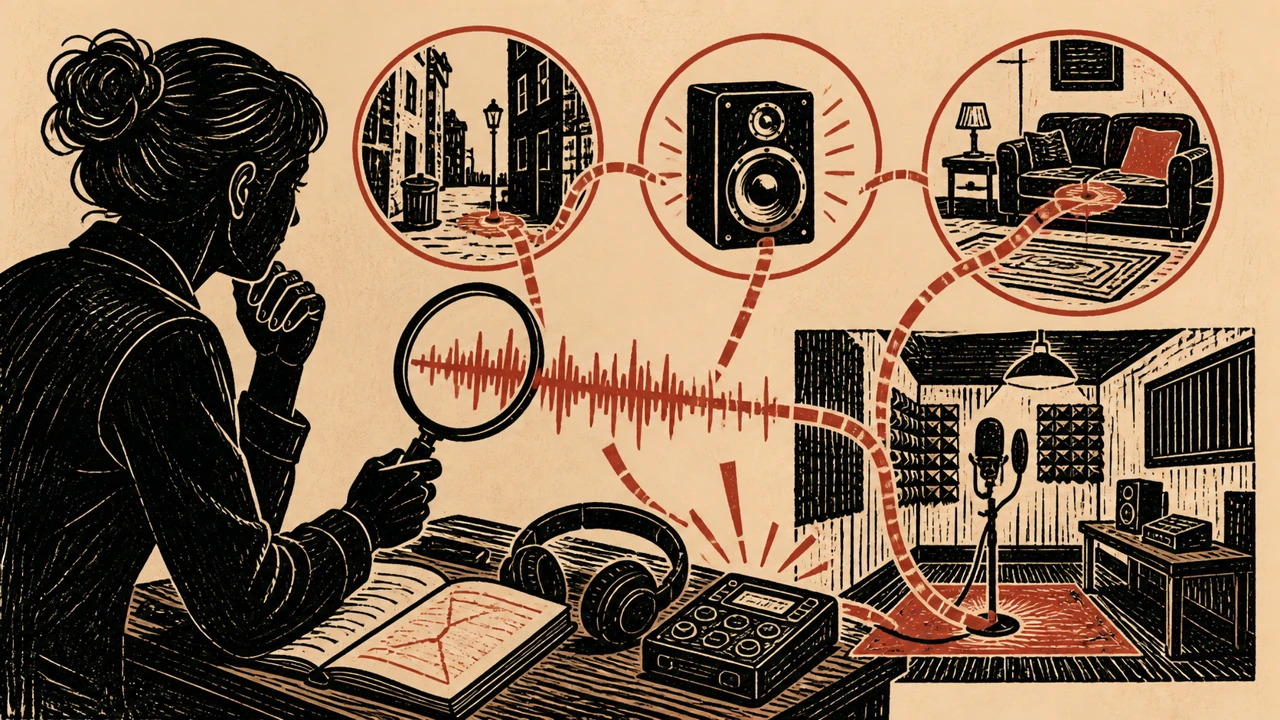
Provenance is often more useful than vocal analysis. Ask where the recording came from, who posted it, and whether there is an original version with context.
A practical source review can include the following steps:
1. Find the earliest available upload. Reposts can remove context, alter captions, or introduce additional edits.
2. Review the account or publisher. Look for consistent identity information, prior work, and a clear reason to trust the source.
3. Look for the full recording. Short excerpts can make a real speaker sound strange or hide relevant context.
4. Check whether the speaker or organization has addressed the clip. A direct statement may clarify whether a recording is authentic, edited, or synthetic.
5. Compare with independent reporting or official communications. For consequential claims, seek confirmation beyond a single post or account.
This process is especially important when a recording asks for money, credentials, private information, or urgent action. A convincing voice should not replace established verification procedures.
Verify identity through a separate channel
If a voice claims to be a friend, coworker, family member, executive, or service provider, do not rely on the recording alone. Contact that person through a known phone number, verified account, established email address, or another channel you already trust.
Avoid replying only through the account or number that sent the suspicious recording. If that channel has been compromised, it may not lead to the real person.
For organizations, use contact details listed on an official website or in a prior, verified communication. In a workplace, follow the organization’s existing approval process for payments, account changes, and sensitive requests.
Compare the claim, not just the voice
A recording can be genuine while its message is misleading, incomplete, or presented out of context. Verification should include the content of the claim itself.
Consider questions such as:
- Does the message make a claim that can be checked independently?
- Does it create pressure to act immediately?
- Does it ask you to bypass normal procedures?
- Are dates, names, locations, or amounts specific enough to verify?
- Does the clip omit the question, event, or conversation that came before it?
This broader review helps prevent a common mistake: focusing so closely on whether a voice is AI that you overlook whether the message is credible.
Understand the difference between synthetic speech and voice cloning
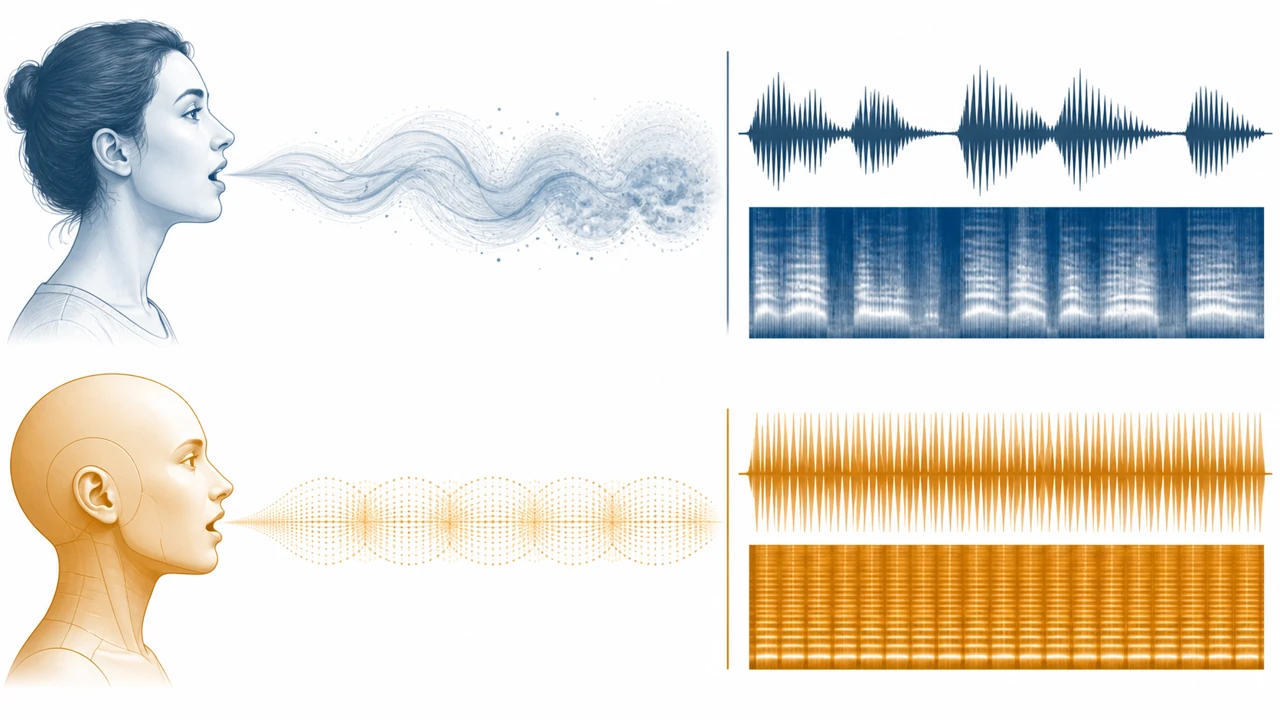
Not all AI voices are made in the same way. Some are generated from a written script using text-to-speech technology. Others may be designed to resemble a particular person through voice-cloning methods. The terms are related, but they describe different processes and risks.
A synthetic narrator may be clearly disclosed and used for accessibility, education, entertainment, or content production. A cloned voice may raise additional questions about consent, identity, and impersonation, particularly when listeners could reasonably believe they are hearing a real person.
For a broader explanation of these concepts, read the AI voice cloning guide. For information about a voice-cloning offering, check out Typecast’s voice cloning tool here.
Use accessibility-aware verification practices
Voice is not a reliable measure of whether someone is trustworthy, capable, or communicating authentically. People may use text-to-speech tools, augmentative and alternative communication, screen-reader-related audio, voice banking, translation tools, or other assistive technology for many valid reasons.
When reviewing a recording, avoid treating disability-related speech differences, accents, speech disorders, or communication aids as signs of deception. Focus on verifiable evidence: source history, consent, context, independent confirmation, and the nature of the request.
This approach is more accurate and more respectful. It also avoids creating barriers for people who depend on speech technology to communicate.
What to do when you are unsure
Uncertainty is a normal outcome. If you cannot confidently determine whether a recording is real, edited, or AI-generated, describe what you know without overstating the conclusion.
You might say that the clip is unverified, that its source is unclear, or that the available evidence does not establish who created it. Avoid publicly labeling a person or organization as deceptive based on audio quality alone.
When the recording could cause harm, preserve the original link or file, note where and when you encountered it, and report it through the relevant platform, workplace, institution, or legal channel. If a potential scam is involved, stop engaging through the suspicious channel and verify the request independently.
A practical checklist for AI-generated audio
Before deciding whether a voice may be AI-generated, review this checklist:
- Listen for multiple recurring irregularities rather than one unusual sound.
- Consider whether recording quality, editing, language differences, or accessibility tools could explain what you hear.
- Find the original source and the full context of the clip.
- Verify identity through a separate, trusted communication channel.
- Confirm important claims with independent evidence.
- Avoid sharing an unverified recording as proof of impersonation or misconduct.
- State uncertainty clearly when the available evidence is limited.
The strongest way to assess AI-generated audio is not to rely on a single listening trick. It is to combine audio observations with source checks, direct verification, and thoughtful attention to context.